
✨ Uzbekistan: turquoise domes, golden deserts & legendary hospitality
🕌 Sky‑touching domes, 🌵 desert fortresses, and 🥘 bazaars packed with spices. Uzbekistan isn’t just a destination; it’s living Silk Road heritage where every city tells stories of caravans, science, Islamic art, and warm welcomes.
Start your Uzbekistan trip here: visa, safety, climate, Afrosiyob train, classic routes through Samarkand, Bukhara, Tashkent, Khiva, plus cuisine, festivals, and cultural tips.
1. Why travel to Uzbekistan?

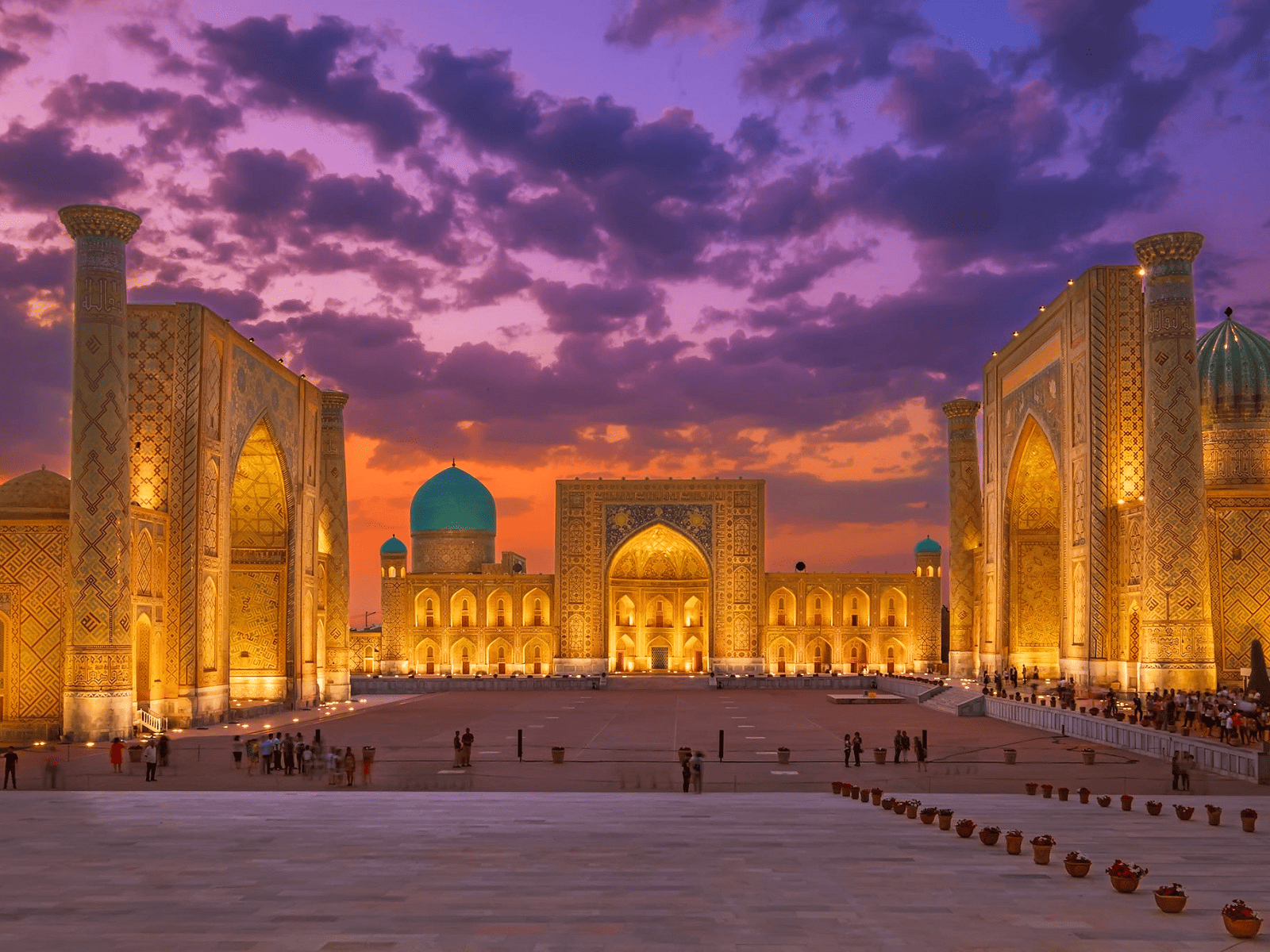
Uzbekistan concentrates UNESCO cities, monumental Islamic architecture, intact caravan squares, madrasahs with turquoise mosaics, and bazaars steeped in Silk Road aroma. It’s ideal for cultural travel, city photography, medieval history, and routes that differ from classic Europe or the Middle East.
It’s also surprisingly budget‑friendly: affordable stays, hearty food at good prices, and guided tours that often cost less than in Western hubs. Access keeps improving thanks to e‑visa or visa‑free entries for many passports, fast trains, and a growing network of hotels.
At the same time, you can still find less‑known routes—silent deserts, lost fortresses, artisan villages, mountain valleys—places where the sense of discovery is real.
2. Dream vacations
Uzbekistan can be adventure, desert, Islamic culture, archaeology, or street food. Camel rides, yurt nights under impossible skies, illuminated madrasahs, plov straight from the cauldron, and Sufi stories by a pond in Bukhara—real and within reach.
There are routes for Timurid architecture lovers (Samarkand, Shahrisabz), seekers of Sufi heritage (Bukhara), open‑air museums (Khiva), and for nature: Chimgan mountains, Aidarkul lake, Fergana Valley, or the Aral Sea region.
Want something bespoke? Commission a tailor‑made itinerary with private driver, English‑speaking guide, and nights in boutique, traditional stays.
3. Visa

Many nationalities get visa‑free stays up to 30 days. Others can apply for an e‑visa online—quick and simple. A 5‑day visa‑free transit via air entry is available for some passports too.
Result: planning a trip to Uzbekistan keeps getting easier from Europe and the Americas.
4. Safety

Uzbekistan is considered safe for travelers. Low crime rates and a visible police presence (including tourist police) in the most visited areas of Samarkand, Bukhara and Khiva foster peace of mind.
Hospitality is legendary: locals often help with directions or even invite you for tea. Still, use common sense—mind documents, avoid very dark alleys late at night, and agree on prices before getting into unofficial taxis.
5. Transport

International entry usually happens via Tashkent airport, connected with Europe and Asia. Within the country, the star is the Afrosiyob high‑speed train linking Tashkent – Samarkand – Bukhara in a few hours.
For routes not covered by the fast line, go by private car with driver or shared intercity taxi—both common and reasonable.
6. Best time to visit

Continental climate: hot summers, cold dry winters, pleasant springs and autumns.
Spring (Apr–May): blooming landscapes, gentle weather, festivals like Navruz.
Autumn (Sep–Oct): golden weather and fruit‑filled markets. Most popular—and pricier—season.
Winter: cold in cities, little snow in deserts, lowest prices and minimal crowds.
Summer: intense heat (40–45 °C), fewer tourists, cheaper stays. Plan early/late outings.
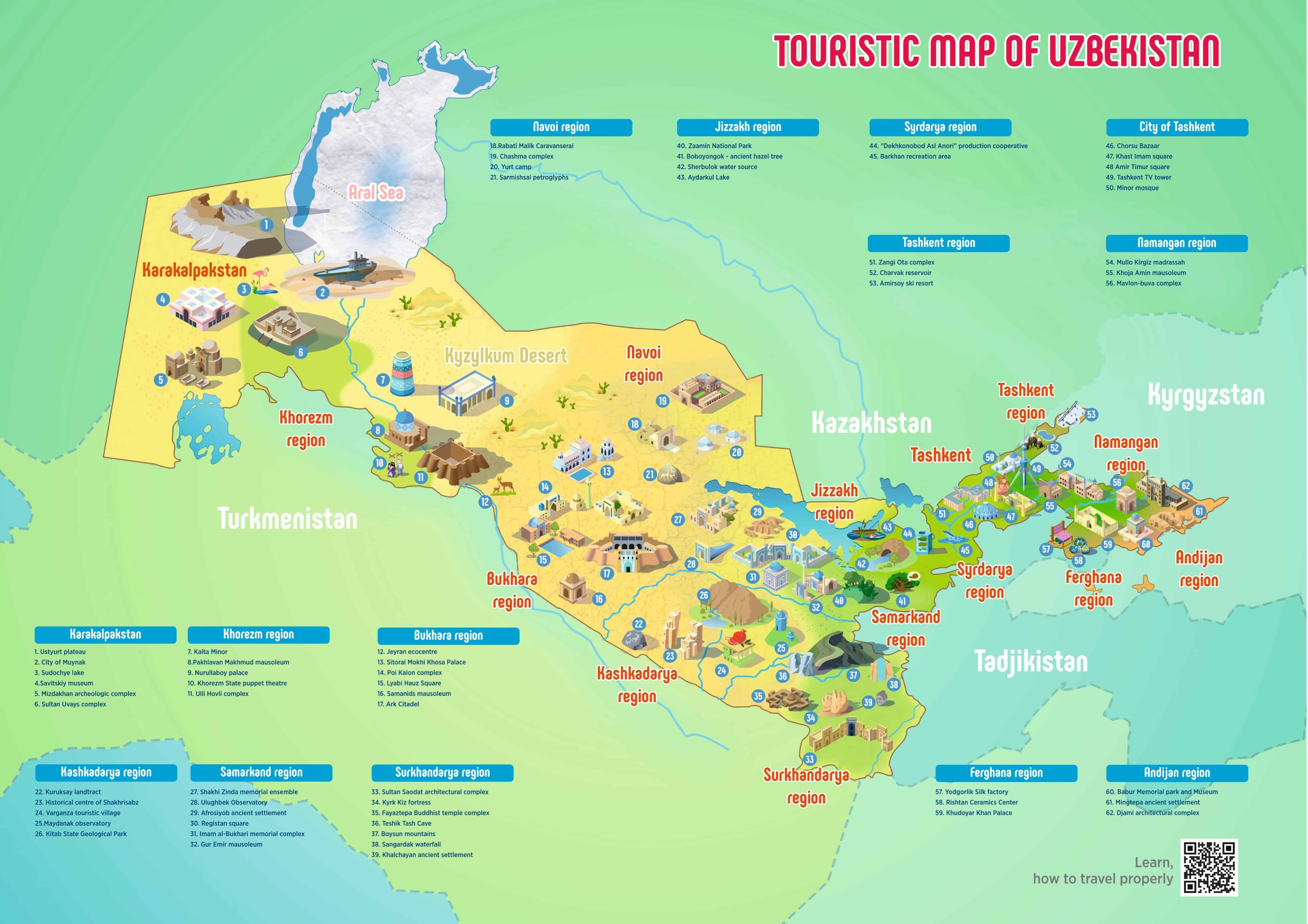
7. Tourist map
8. How many days do you need?

Seeing ALL of Uzbekistan in a single trip is hard. But in 7–10 days you’ll live its essence.
With 3–5 days: focus on Tashkent, Samarkand, Bukhara.
With one week: add Khiva or the Kyzylkum Desert.
With 10+ days: include Fergana Valley, Termez (south), or Chimgan mountains.
Tashkent — modern capital
- Stay: 1–2 days
- Highlights: Soviet‑art metro, Chorsu bazaar, Amir Timur square
- Near: Old City, Chimgan mountains
Samarkand — Timurid jewel
- Stay: 2–3 days (incl. Shahrisabz)
- Highlights: Registan, Gur‑e Amir, Shah‑i‑Zinda
- Extras: mulberry paper workshop, Ulugh Beg observatory
Bukhara — spiritual heart
- Stay: 1.5–2 days
- Highlights: Ark Fortress, Lyabi‑Hauz, Poi‑Kalyan
- Near: Sitora‑i Mokhi Khosa, Sufi complexes
Khiva — walled city‑museum
- Stay: 1–2 days
- Highlights: Itchan Kala, Kalta Minor, Juma Mosque
- Near: Khorezm desert fortresses
Nukus — gateway to the Aral Sea
- Stay: 1.5–2 days (incl. Muynak)
- Highlights: Savitsky Museum, Mizdakhan necropolis
- Near: Muynak ship cemetery
Fergana Valley — living craftsmanship
- Stay: 2–3 days
- Highlights: Margilan silk, Rishtan ceramics
- Near: Kokand, Chust blacksmiths
Termez — southern frontier
- Stay: 1–2 days
- Highlights: Kara‑Tepe, Fayaz‑Tepe, Kirk‑Kiz
- Near: Kampyr‑Tepe, Jarkurgan Minaret
9. Recommended services

Comfortable travel means coordinating stays, transfers, local guides, Afrosiyob tickets, and site entrances. We can connect you (no commission) with serious local agencies used by travelers worldwide.
- Hotel & guesthouse bookings
- Private intercity transfers
- Official English/Spanish guides
- Themed experiences (food, archaeology, desert…)
- Advance train tickets
- Visa or insurance assistance
10. Festivals & celebrations
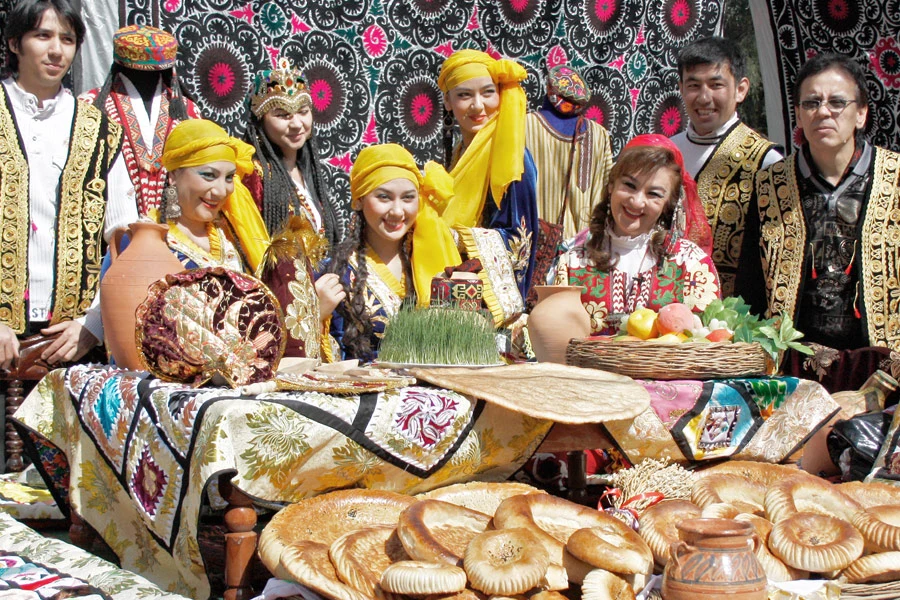
Local celebrations are pure life: traditional music, dance, embroidered costumes, and giant plov cooked outdoors. Time your trip with a major festival to tap into the country’s cultural heart.
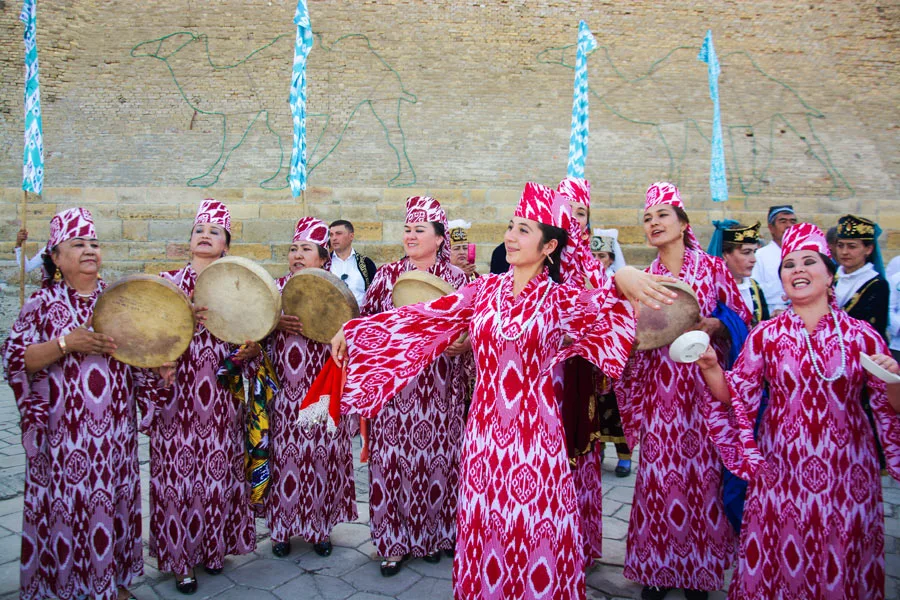
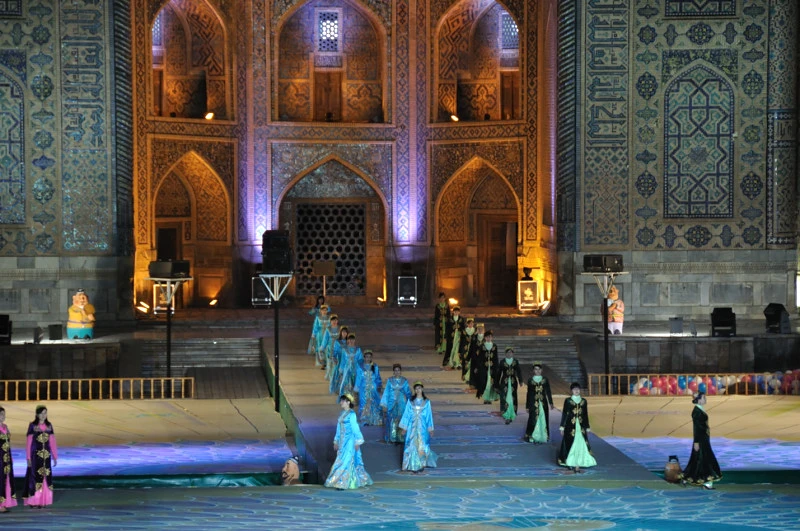
Sharq Taronalari — late Aug (biennial)
International folklore music on the Registan stage. Orchestras and voices from around the globe beneath blue domes.
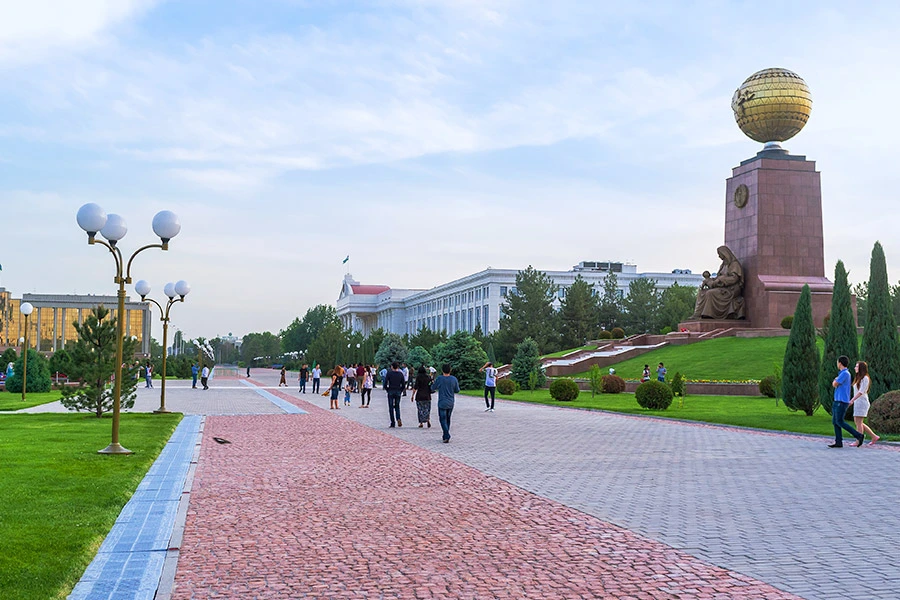
Independence Day — Sept 1
Parades, open‑air concerts, fireworks. The capital Tashkent throbs with music and color.
11. Uzbek cuisine
Eating is part of the journey. Plov (rice, meat, carrot) rules, joined by clay‑oven bread, rich soups, handmade noodles, steamed dumplings, and slow cauldron roasts.
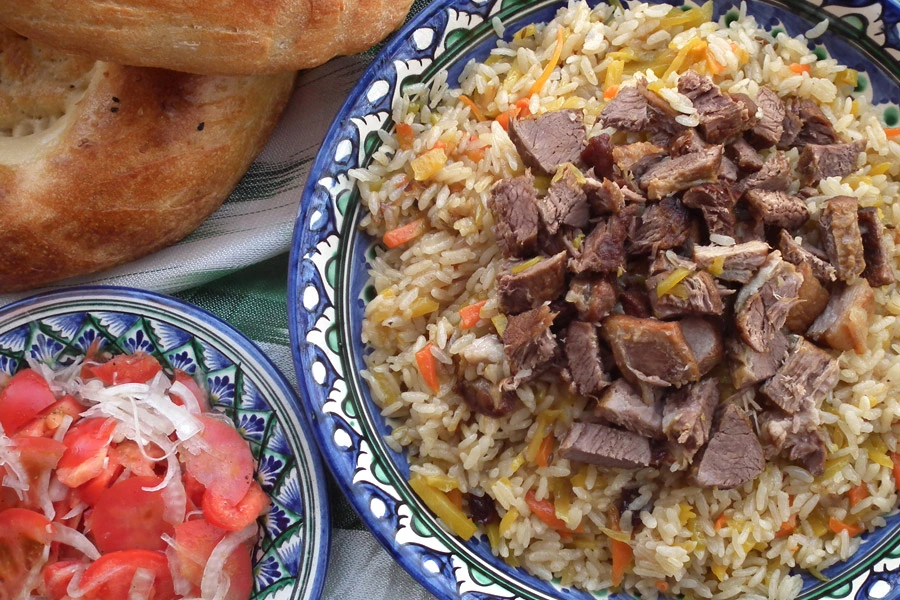
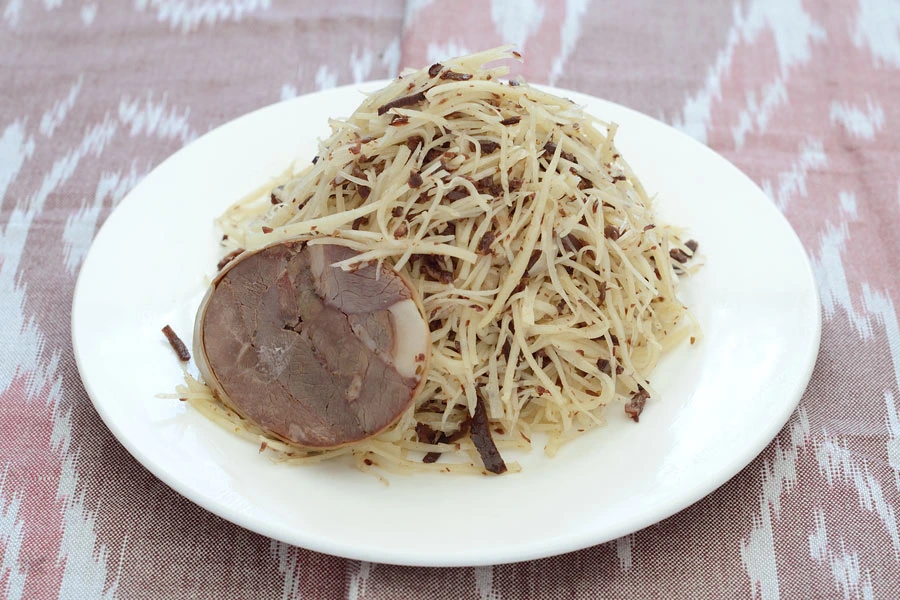
Plov
Every city has a style. In Tashkent, morning plov is a thing.
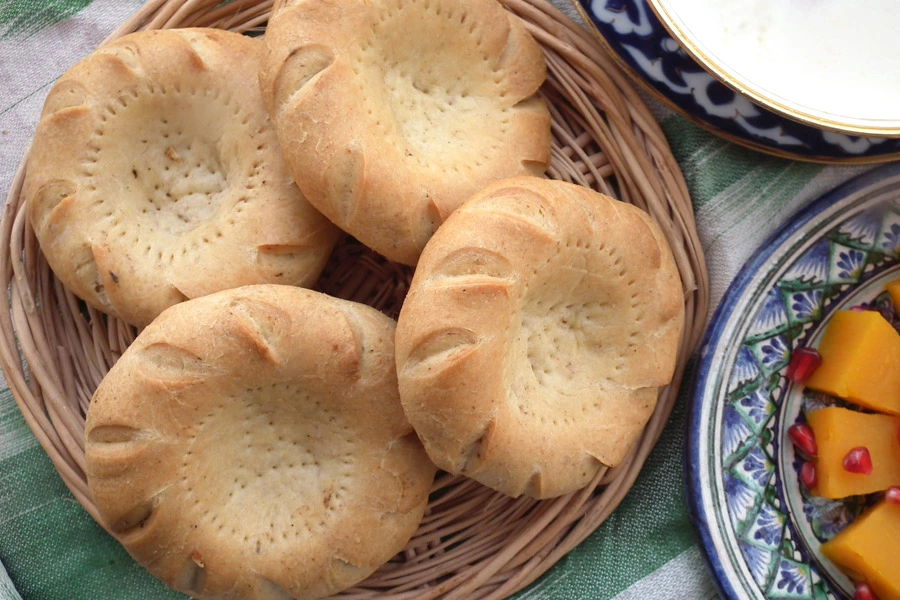
Non
Round traditional bread. Samarkand non is legendary.
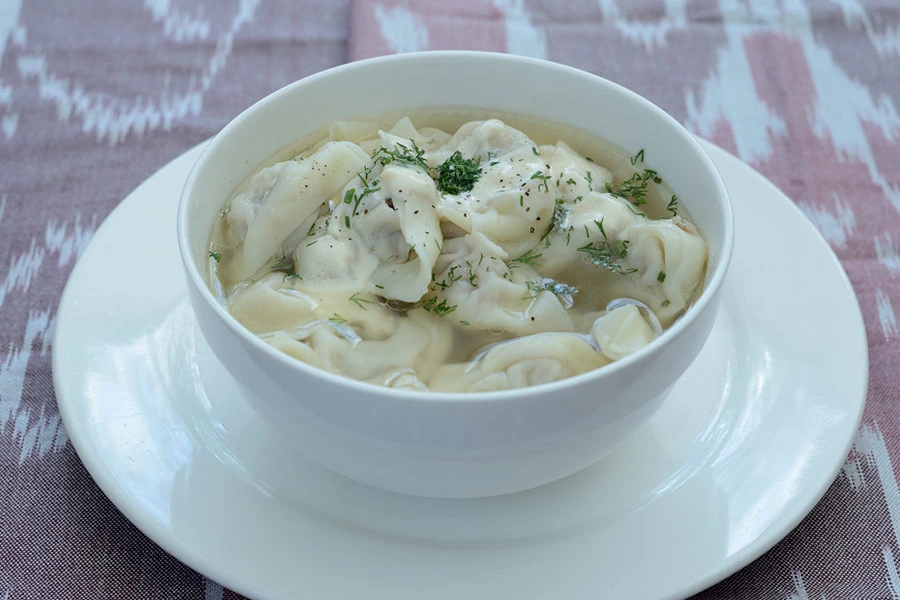
Chuchvara
Ravioli‑like dumplings in spiced broth.
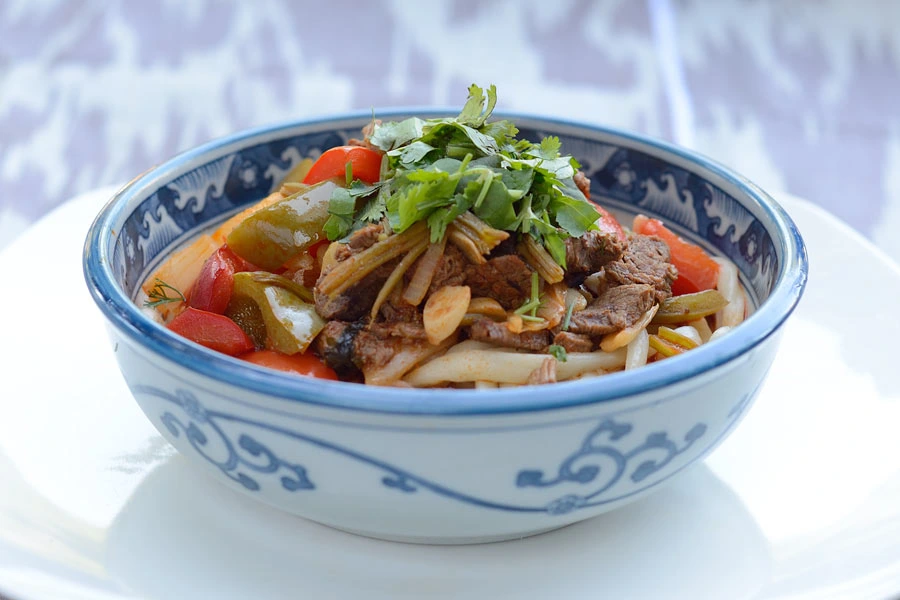
Lagman
Thick noodles with meat & vegetables—soup or stir‑fried.
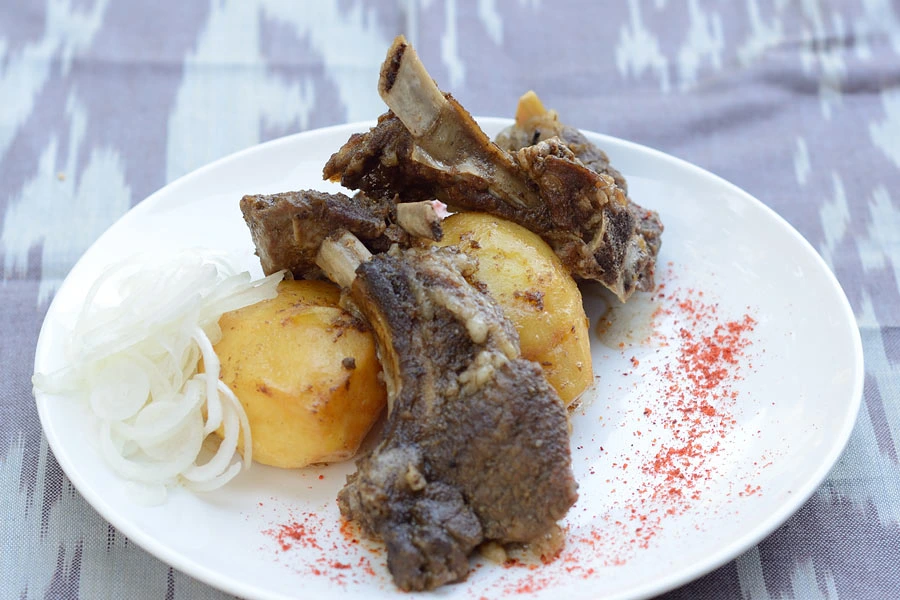
Kazan‑kabob
Slow‑cooked lamb with potatoes in a traditional cauldron.
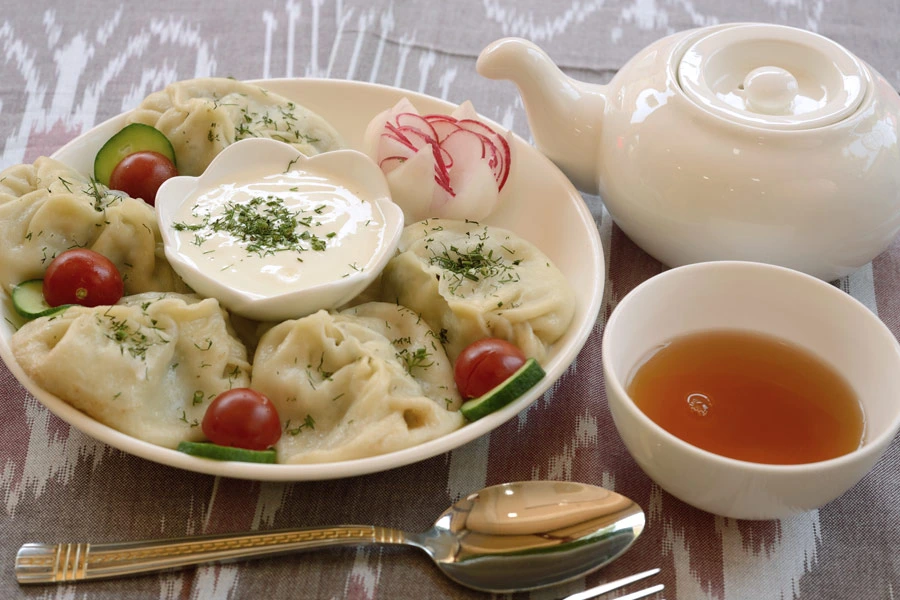
Manty
Big steamed dumplings of lamb or beef with onion—yogurt on the side.

Samsa
Clay‑oven pastries stuffed with meat/veg—ultimate street snack.
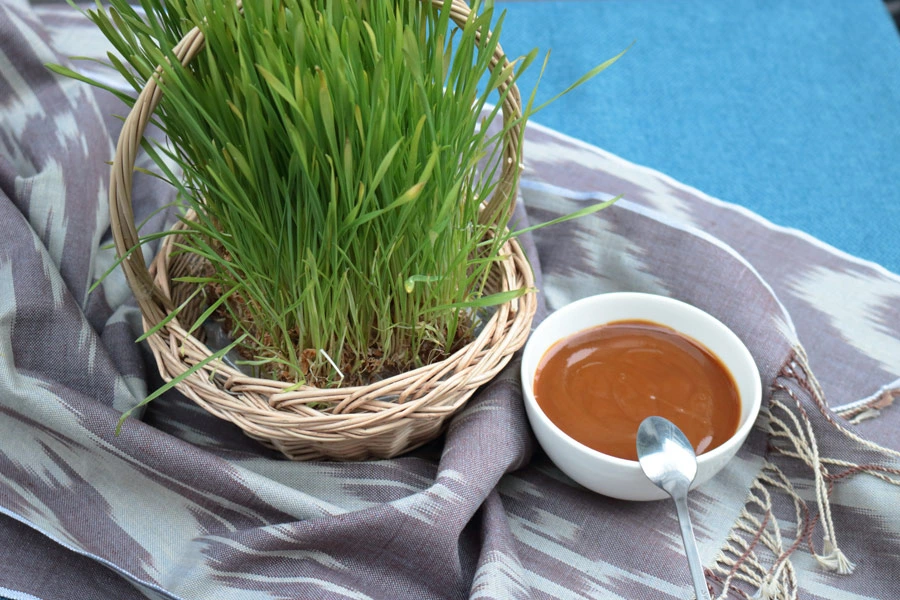
Sumalak
Sweet paste cooked for hours with wheat sprouts—Navruz staple.
Travel tip: sit at a chaikhana (teahouse), order green tea, and watch local life flow by.
12. Cultural tips
Uzbek people are warm and forgiving with visitors. Still, following a few norms shows respect—and opens doors.
✅ Recommended
- 👣 Remove shoes before entering homes or mosques.
- 👵 Offer seats and serve elders first.
- 🎁 Bring a small gift if a family invites you.
- 🚕 Agree on taxi prices beforehand.
- 👀 Watch your step on uneven streets.
🚫 Avoid
- 🍞 Placing bread on the floor or upside down—bread is sacred.
- 🤧 Loud nose‑blowing in public, especially during meals.
- 📢 Speaking loudly near religious or calm spaces.
- ☕ Accepting tea instantly; often first offers are polite gestures.
- 🙈 Hesitating to ask for help—people will try to assist.
13. Useful Uzbek phrases
Official language is Uzbek. Russian is widespread. English is growing in tourist areas, but Uzbek words always spark smiles.
| 🇬🇧 English | 🇺🇿 Uzbek |
|---|---|
| Hello | Salom |
| Good morning | Xayrli tong |
| Good night | Xayrli tun |
| How are you? | Yaxshimisiz? |
| Goodbye | Xayr |
| Thank you | Rahmat |
| Yes / No | Ha / Yo‘q |
| Where is the airport? | Aeroport qayerda? |
| How much is it? | Bu qancha turadi? |
| My name is… | Mening ismim… |
| I don’t understand | Tushunmayapman |
| Excuse me / Sorry | Kechirasiz / Uzr |
| Nice to meet you | Tanishganimdan xursandman |
| Where is the bathroom? | Hojatxona qayerda? |
14. Fun facts
- 🕌 India’s Taj Mahal drew inspiration from Timurid architecture in Samarkand.
- 🧠 Avicenna (medicine), al‑Khwarizmi (algebra), and Amir Temur (Tamerlane) are linked to this region.
- 🌿 Uzbekistan is a major cotton producer and exporter of dried fruit, gold, and gas.
- 🌍 It’s one of the world’s few double‑landlocked countries.
- 🚄 Afrosiyob hits ~250 km/h and links Tashkent–Samarkand–Bukhara in hours.
- 📜 The Silk Road left bazaars, madrasahs, caravanserais, and mausoleums you can still visit today.
Traveling Uzbekistan feels like walking through living history—still authentic and generous.
15. Sample itineraries
Express 4 days — Tashkent & Samarkand+
- Day 1: Arrive Tashkent, metro art tour, Chorsu bazaar.
- Day 2: Afrosiyob to Samarkand — Registan by night.
- Day 3: Gur‑e Amir, Shah‑i‑Zinda, bread & paper workshops.
- Day 4: Back to Tashkent — museums or Old City — flight out.
Classic 7 days — Tashkent, Samarkand, Bukhara+
- Day 1: Tashkent sights + local chaikhana.
- Day 2: Train to Samarkand — Registan, Gur‑e Amir.
- Day 3: Shah‑i‑Zinda, Ulugh Beg observatory, night views.
- Day 4: Train to Bukhara — Lyabi‑Hauz area.
- Day 5: Ark Fortress, Poi‑Kalyan, crafts.
- Day 6: Sufi sites near Bukhara, slow evening.
- Day 7: Return to Tashkent — flight out.
Grand 10–12 days — add Khiva or Fergana+
- Days 1–3: Tashkent & Samarkand highlights.
- Days 4–6: Bukhara core + Sufi outskirts.
- Days 7–9: Khiva (Itchan Kala, desert fortresses), or Fergana crafts circuit.
- Days 10–12: Chimgan mountain escape or Aral Sea day trip from Nukus.
16. Packing checklist
✅
Layers for extremes: light summer wear + warm evening layer (desert can cool quickly).
✅
Comfortable shoes: old lanes can be uneven.
✅
Headscarf / hat: useful for sun & respectful visits.
✅
Cash & cards: ATMs exist but bring backup for remote areas.
✅
Universal adapter & power bank.
✅
Basic meds: altitude not an issue, but deserts are dry.
✅
Reusable bottle: stay hydrated.
✅
Small gifts: sweets or souvenirs—great icebreakers.
17. FAQs
Is English widely spoken?+
In tourist hubs, yes. Elsewhere, Uzbek and Russian dominate. Learn a few phrases—it helps a lot.
Can I rent a car and self‑drive?+
Possible, but most visitors prefer drivers—affordable, stress‑free, and safer on unknown roads.
Is vegetarian food easy to find?+
Yes in bigger cities; in small towns ask for meat‑free versions of lagman, chuchvara, or vegetable somsa.
What’s the best SIM / connectivity option?+
Buy a local SIM at the airport or malls. Coverage is good in cities, weaker in remote desert areas.