
Cultural tourism & living heritage in Uzbekistan
Uzbekistan is the historic heart of the Silk Road: legendary cities, Islamic art, imperial architecture and traditions that are still alive. You don’t just visit a museum—you walk through one. Perfect for cultural, historical and educational travel that seeks the country’s soul, not just photos.
🎓 Educational tourism
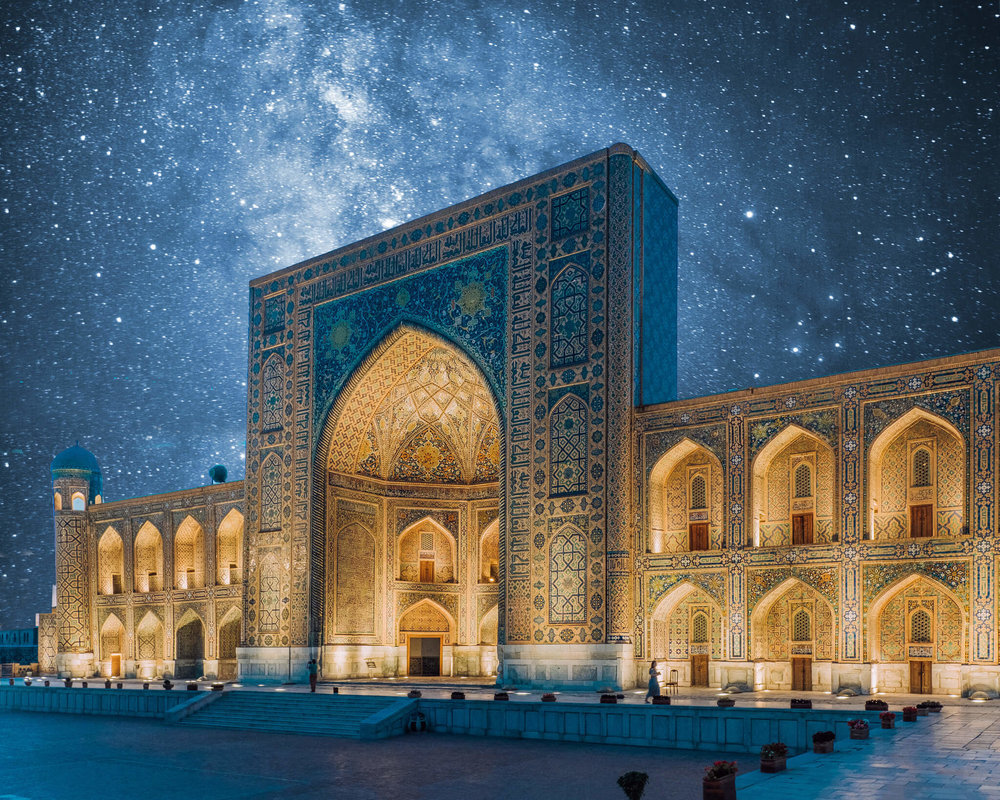
Uzbekistan blends travel with learning. The country combines living history, cultural heritage and international academic programs in real settings—not only in museums.
With over 7,000 historical and cultural sites recognized by UNESCO, cities such as Samarkand, Bukhara, Khiva and Shahrisabz work as open-air classrooms to study the Silk Road, medieval astronomy, Islamic architecture and living crafts.
Schools and universities follow themed routes with hands-on workshops in ceramics, silk embroidery, wood carving or traditional paper—experiential learning where students take part, not just watch.
There are also international programs in tourism management, cultural heritage, hospitality and sustainable tourism in Samarkand and Tashkent.
🏛️ National & regional museums
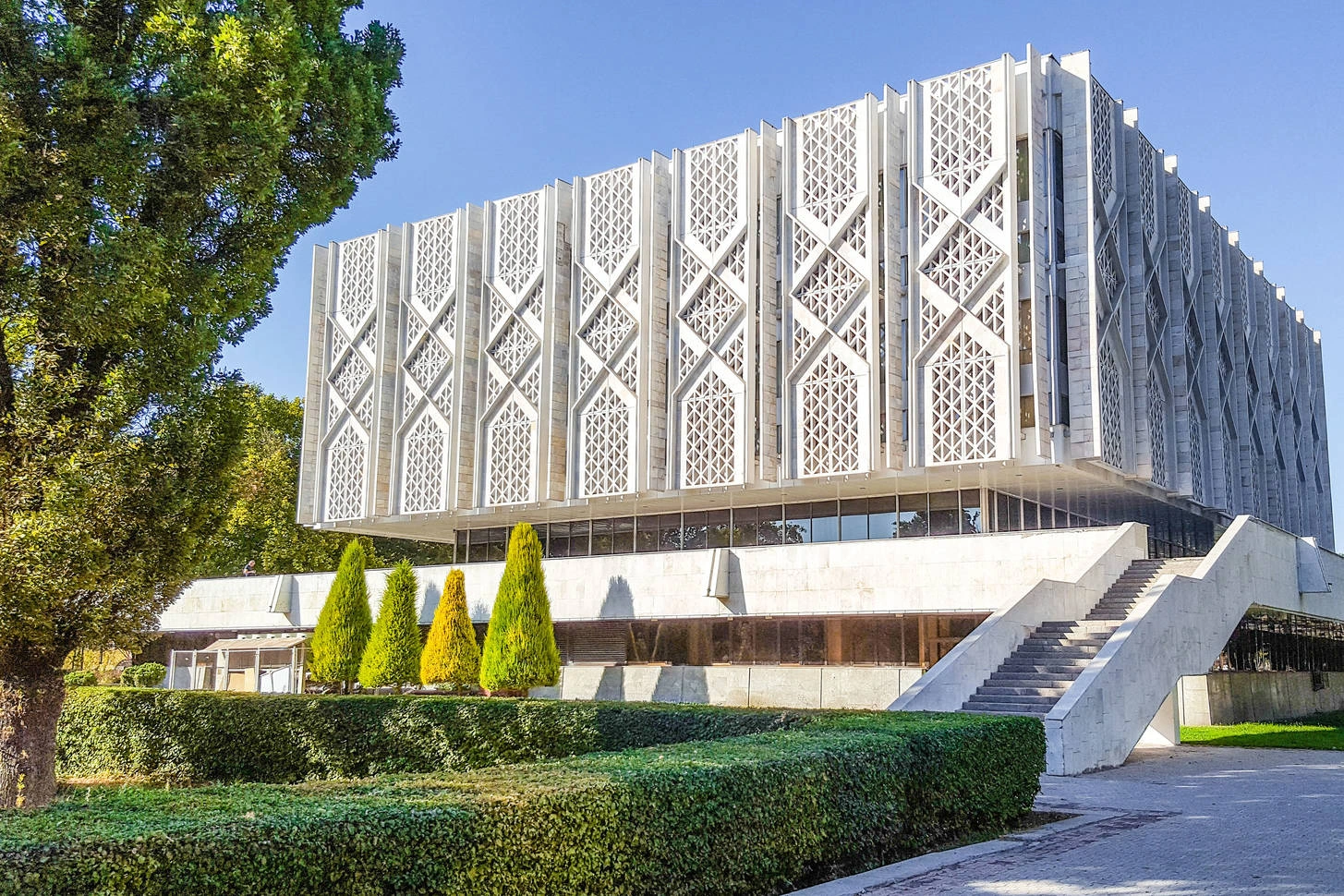
Uzbekistan has a network of 400+ museums that take you through thousands of years of Central Asian history.
Highlights include the State Museum of History, the Museum of Applied Arts, and the renowned Savitsky Museum in Nukus (“the Louvre of the desert”).
These museums bring artisans’ lives, madrasa decoration, noble dress and bazaar trade to life in Samarkand and Bukhara, strengthening the value of Uzbekistan’s cultural heritage.
📜 Historical & archaeological tourism
From Paleolithic sites in the Baysuntau mountains to traces of ancient kingdoms in the western deserts, the country shows millennia of human development in one trip.
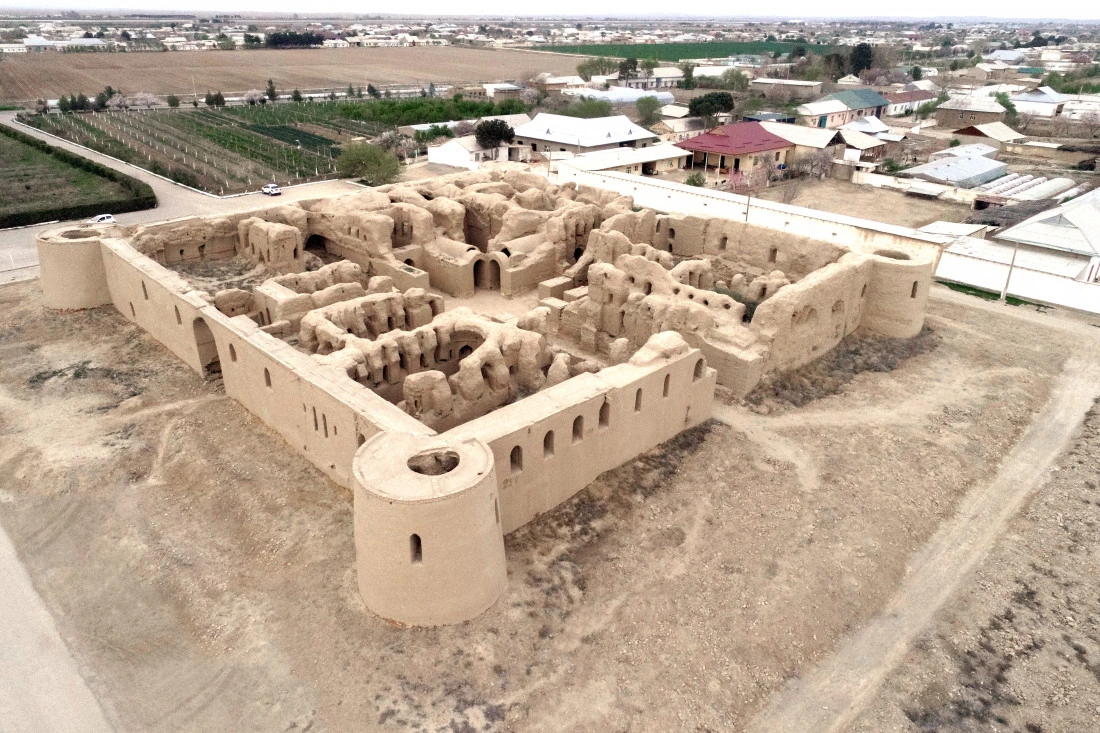
Fortified cities like Toprak-Kala (Karakalpakstan) reveal palaces, walls and murals nearly two thousand years old.
Dalverzintepa, a Greco-Bactrian city, uncovers gold jewelry, temples and religious objects—evidence of Persia, Greece, Buddhism and Sogdiana meeting here.
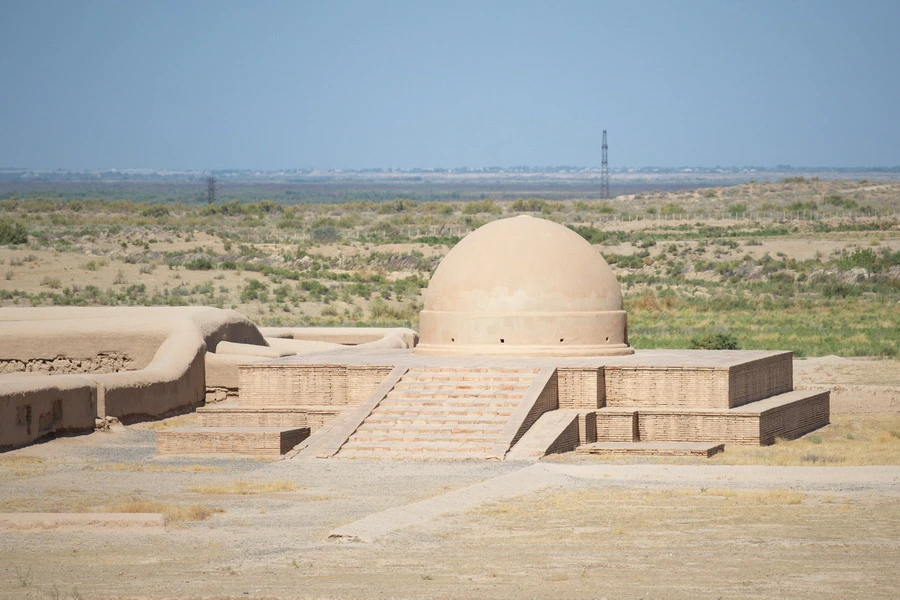
Near Termez in the south, Buddhist remains—stupas and monasteries—show how the region took part in Buddhism’s spread.

🧱 Petroglyphs & prehistoric culture
The Sarmyshsai gorge in Navoi holds thousands of prehistoric petroglyphs carved on volcanic rock—scenes of hunting, sacred animals, rituals and daily life.
It’s an open-air museum over 3,000 years old—ideal for travelers, photographers and students seeking authentic cultural tourism.
🕉️ Buddhist temples & Kushan legacy
Around Termez (Surkhandarya), key Buddhist sites—Fayaztepa, Karatepa and Kampyrtepa—reflect the Kushan world linking Central Asia with India and China.
Murals, reliefs and monastic cells reveal early Buddhist life in Central Asia and the exchange of ideas along the Silk Road.
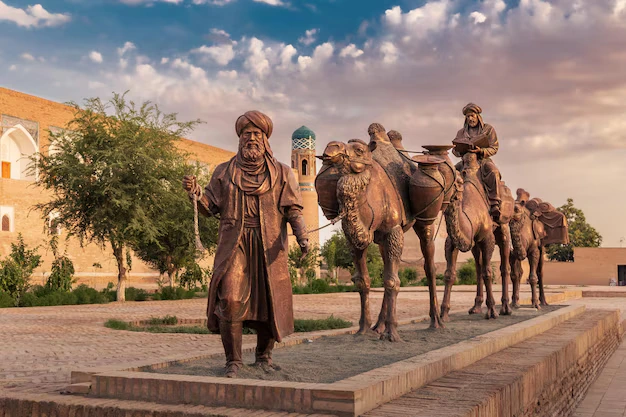
🛤️ Silk Road: a multicultural legacy
Uzbekistan was a strategic hub of the Silk Road.
Samarkand, Bukhara and Khiva flourished as commercial, diplomatic and scientific centers where merchants, scholars and artisans met.
Registan Square symbolizes intellectual power; Bukhara’s madrasas and caravanserais connect religion with international trade; Khiva’s Itchan Kala preserves traditional urbanism.
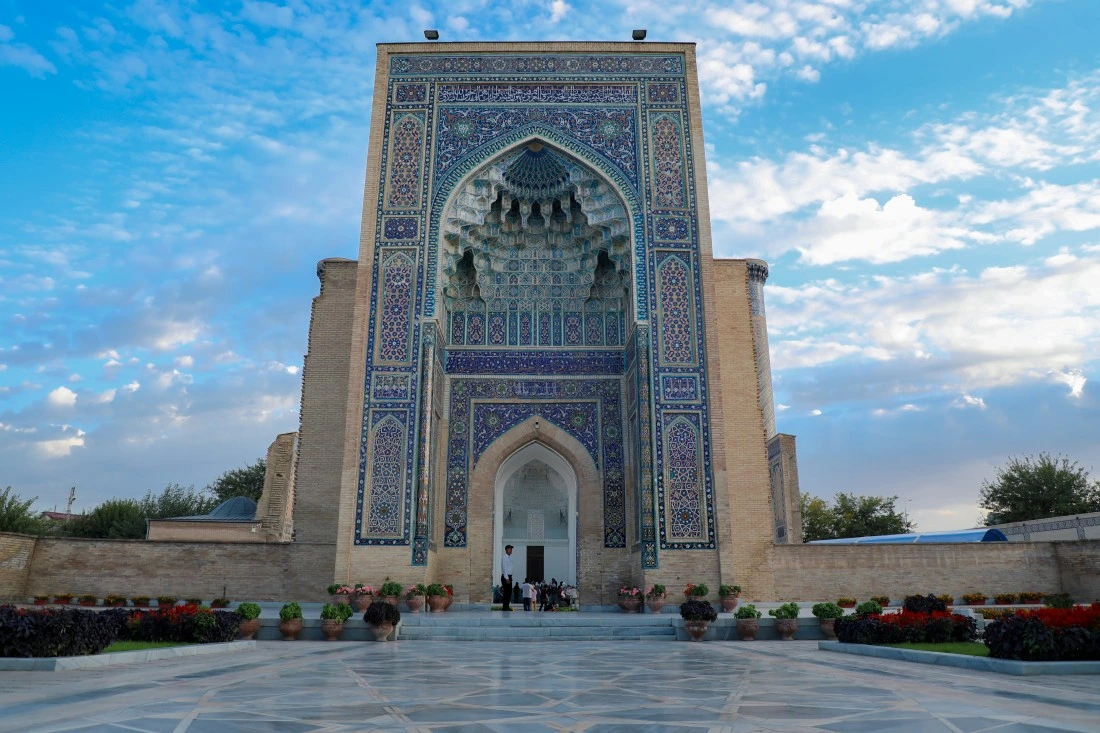
🏰 Timurid era & Islamic renaissance
Under Amir Temur (Tamerlane) and his heirs, a true Islamic renaissance emerged—science, monumental architecture, poetry and diplomacy.
Landmarks like Gur-e Amir, Shah-i-Zinda and Registan Square show the peak of Timurid art and learning in Samarkand.
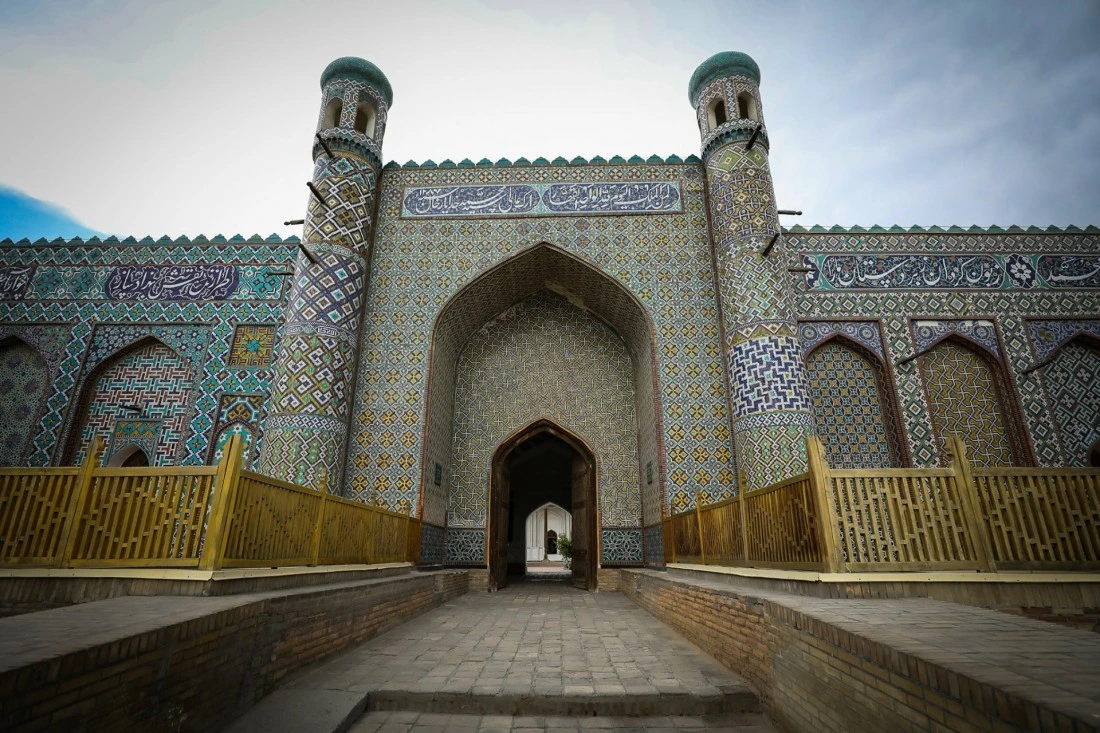
🏛️ Palaces & khanate architecture
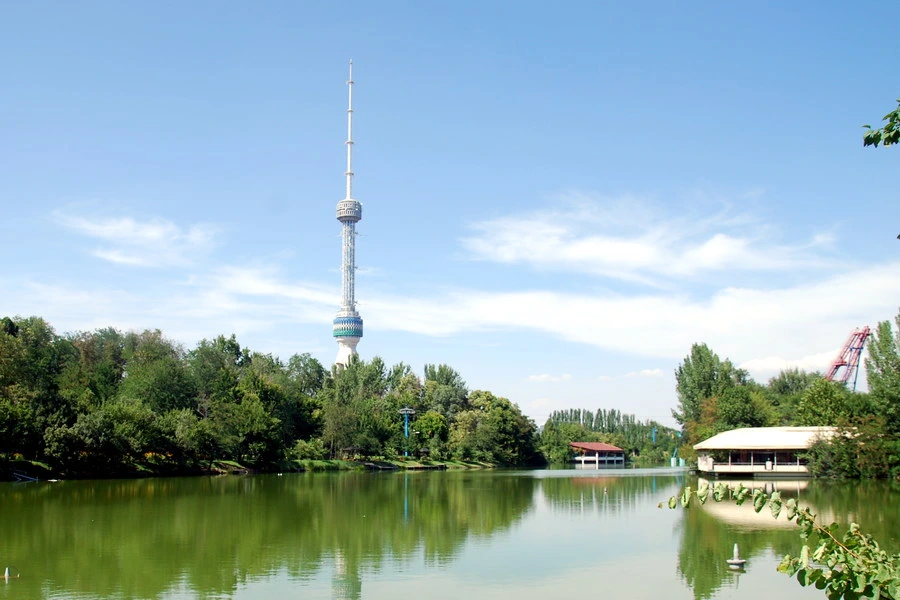
🏙️ Modern Uzbekistan: Soviet legacy & independence
Tashkent shows another face: wide avenues, monumental squares and a mix of late-Soviet architecture with independent national identity.
The Tashkent TV Tower and the Navoi Opera reflect the city’s cultural weight; newer museums and public spaces showcase a modern, open identity.
💡 Conclusion
Uzbekistan is a country-sized living museum—from prehistoric petroglyphs and Kushan Buddhism to the Silk Road, the Timurid flourish, khanate palaces and a dynamic present.
It’s authentic cultural, historical and educational travel across original settings, not reconstructions.