🌆 Tashkent: tradition and modernity in the heart of Uzbekistan
Tashkent is the vibrant capital of Uzbekistan: modern avenues, monumental Soviet architecture, historic bazaars, an artistic metro, old mosques and a very active cultural scene. This guide will help you plan your visit: things to see in Tashkent, how to get around, where to eat, safety, history and real experiences that make this city an essential stop on any trip to Uzbekistan.
1. Recommended tours in Tashkent

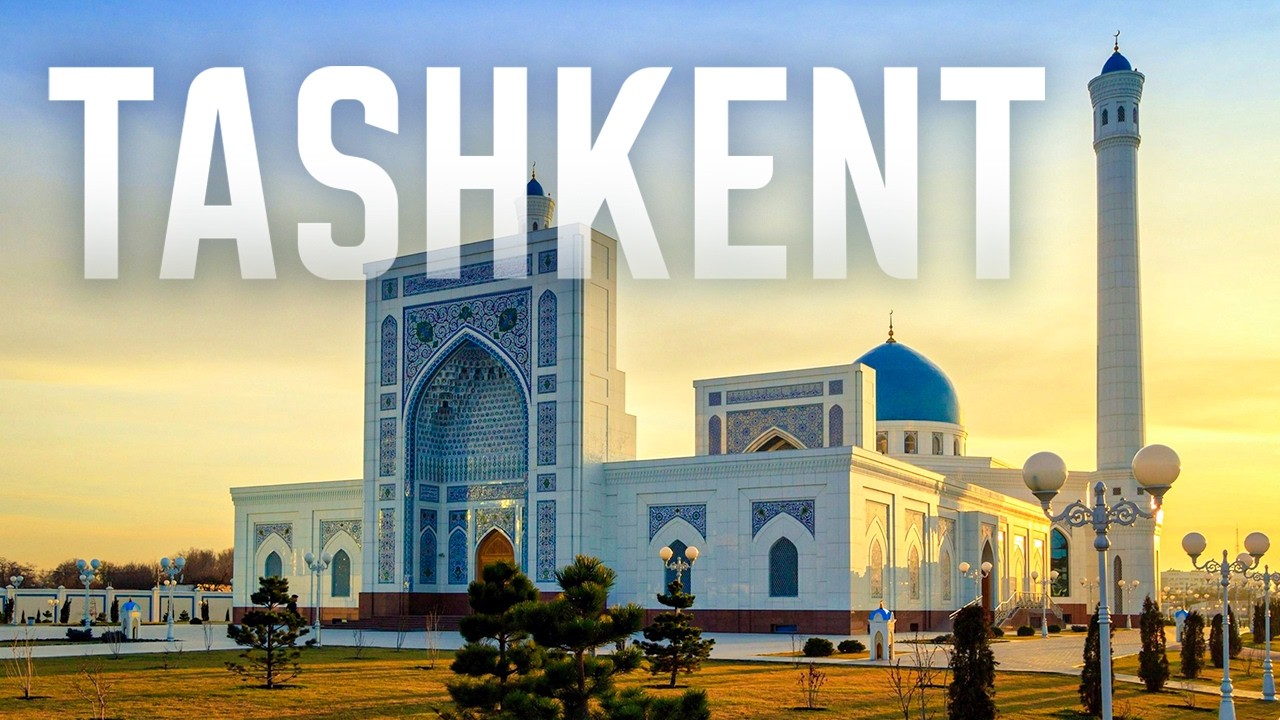
Tours in Tashkent combine the historical side and the contemporary face of the capital of Uzbekistan. In a single day you can go from Chorsu Bazaar, full of spices, traditional breads and dried fruit, to the religious complex of Khast-Imam, where sacred Islamic manuscripts and old madrasas are preserved.
A guided walk usually also includes the Tashkent Metro, famous for its stations decorated with marble, mosaics and monumental chandeliers, and symbolic squares such as Amir Timur Square. This kind of visit is ideal if it is your first time in Central Asia and you want to get your bearings before continuing on to Samarkand or Bukhara.
Practical tip: at the start of your trip, book a cultural city tour on foot or by car with a local guide. It gives you historical context, food recommendations and logistical tricks (money exchange, taxi apps, metro schedules) that will help you throughout your trip to Uzbekistan.
2. History of Tashkent

Tashkent is one of the oldest cities in Central Asia and a strategic point on the Silk Road in Uzbekistan. Historical sources mention it under names such as Chach, Shash or Tashkent, and its history stretches back more than two thousand years.
Over the centuries it belonged to Turkic kingdoms, to the Persian world, to the Timurid sphere and later to the Russian Empire in the 19th century. It then became the capital of the Soviet Republic of Uzbekistan and, after independence, the capital of the Republic of Uzbekistan.
This layered past explains the visual mix you see in the city: traditional mosques and madrasas, monumental Soviet apartment blocks, wide socialist-style avenues and new glass skyscrapers and shopping malls.
To really understand Tashkent’s historical and religious evolution, many travellers visit the spiritual complex of Khast-Imam, the Museum of Applied Arts and the State Museum of History, where you can clearly see how Tashkent transformed from a caravan city into a modern metropolis.
3. What to see and do in Tashkent

Must-see places for any traveller wanting to get to know Tashkent and Uzbek culture start with Chorsu Bazaar, heart of the old town. Here you will see traditional breads baked in clay ovens, mountains of spices and genuine local life.
Very close by lies the Khast-Imam complex, with madrasas, mosques and libraries that hold ancient Islamic manuscripts. It is one of the most important sites for religious tourism in Uzbekistan.
Another unique highlight is the Tashkent Metro. Each station has its own artistic design: marble, mosaics, chandeliers. It is public transport and museum at the same time.
If you are after modern urban icons, head to Amir Timur Square, surrounded by administrative buildings, gardens and equestrian statues; and to the Museum of Applied Arts, which displays ceramics, textiles, woodcarving and embroidery typical of Uzbekistan.
On the outskirts, the Zangiata Mausoleum is a spiritual site much visited by local pilgrims and a beautiful example of the cultural and religious tourism you can experience without leaving Tashkent.
4. Parks, leisure and shopping

One of the surprises in Tashkent is how green it is. Parks such as EcoPark or Central Park are perfect for walking, doing yoga outdoors or simply resting in the shade in summer.
If you travel with family or want panoramic views, go to Ankhor Lokomotiv, where you will find the tallest Ferris wheel in the country – perfect at sunset.
For shopping you have two worlds: the traditional bazaars (Chorsu, Alay) and modern malls (Samarkand Darvoza, Mega Planet, Next). In the same day you can buy local spices and, an hour later, international fashion brands.
This mix of urban leisure, living tradition and modern consumer life is one of the reasons many travellers find Tashkent a very comfortable city to spend several days in, within a broader trip to Uzbekistan.
5. What to eat in Tashkent

Eating in Tashkent means discovering Uzbek cuisine: hearty, flavourful and meant to be shared. You simply cannot leave without trying plov (rice with lamb and carrot), lagman (noodles with vegetables and meat), shurpa (traditional soup), and samsa (pastries baked in a tandoor oven).
A legendary spot is the Plov Centre (Osh Markazi), where plov is cooked in huge cast-iron cauldrons. There are also classic chaykhanas (tea houses) serving fresh bread, local salads and grilled lamb.
At the same time, Tashkent has more and more modern cafés with specialty coffee, artisan pastries and desserts inspired by Europe and Turkey. That cosmopolitan side is especially attractive for younger travellers and backpackers doing youth tourism in Uzbekistan.
6. Public transport in Tashkent
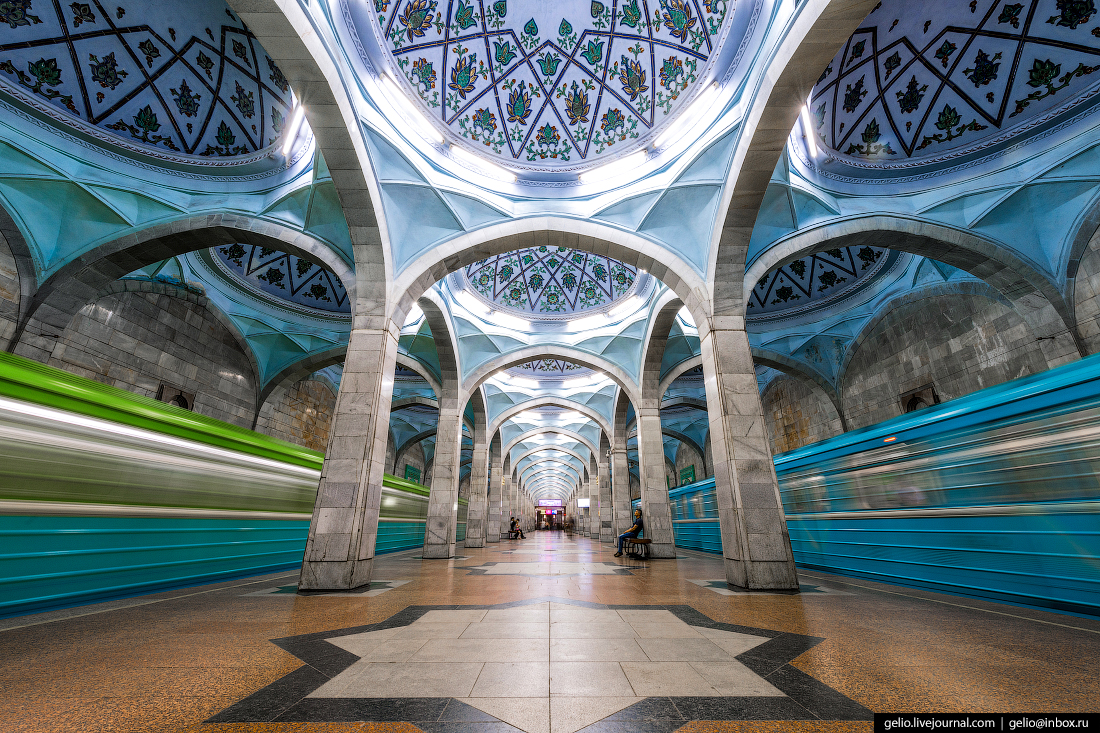
Getting around Tashkent is relatively easy. The Tashkent Metro has been running since 1977 and is fast, cheap and safe. In addition to the metro, there are buses and trolleybuses covering almost the entire city.
For short distances or night journeys you can use taxi apps (similar to Uber), such as Yandex-based services or local taxis, which are very affordable compared with Europe.
In the most central areas you will also see shared e-scooters and city bikes, something that young travellers particularly enjoy.
7. How to get to Tashkent

The most direct way to enter Uzbekistan is by flying into Tashkent International Airport, which connects to cities such as Istanbul, Dubai, Moscow, Paris or Seoul. For many international travellers, Tashkent is the main gateway.
If you are already in the country, you can arrive on the Afrosiyob high-speed train from Samarkand, Bukhara or even via Urgench (to visit Khiva).
There are also overland routes and regional buses linking Tashkent with other parts of Central Asia, which is useful for travellers with more time or those doing an overland route.
8. Language and currency
The official language is Uzbek, but Russian is still widely used in daily life. In tourist areas and hotels it is increasingly common to find staff who speak basic English, especially in Tashkent.
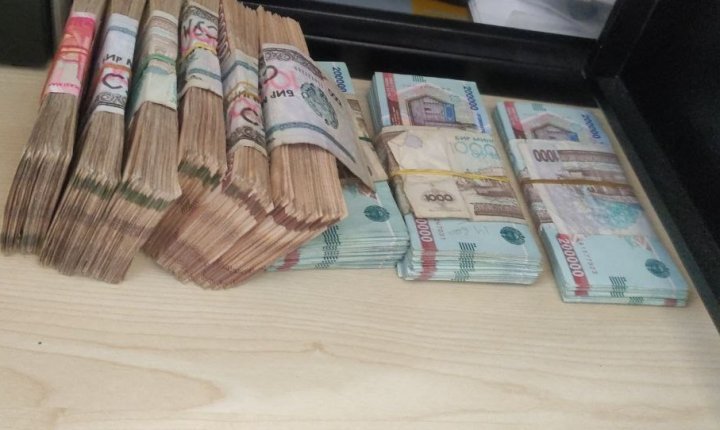
The local currency is the Uzbek som (UZS). It is best to exchange money at banks or authorised exchange offices. Cards are usually accepted in malls and hotels, but for bazaars, taxis and small purchases, carry cash.
Tip: keep your currency exchange receipts. They may be useful if you want to exchange money back before leaving the country.
9. Safety in Tashkent

Tashkent is considered a safe city for international travellers. There is visible police presence in public areas, stations and main squares, which creates a strong sense of order and control.
Even so, use common sense: keep an eye on your belongings in very busy places such as Chorsu Bazaar, avoid poorly lit streets late at night, and always carry a copy of your passport (it is normal for the police to ask for ID in Uzbekistan).
For many visitors on their first trip to Uzbekistan, the general feeling of safety in Tashkent is a very pleasant surprise.
💡 Conclusion
Tashkent is not only the administrative capital of Uzbekistan. It is a cultural gateway to Central Asia: lively bazaars, historic mosques, an artistic metro, green parks and modern cafés.
From here you can continue on to Samarkand, Bukhara and Khiva, the jewels of the Silk Road. But Tashkent deserves time of its own. It is present, not just past.
✨ Exploring Tashkent is understanding Uzbekistan as it is today.