Literary tourism in Uzbekistan
Explore Uzbekistan through its books, poets and legends. From classical epics that travelled along the Silk Road to authors’ house-museums, literary tourism in Uzbekistan lets you “read” the country in the very places where it was written—ideal for culture lovers planning trips to Uzbekistan beyond quick photos.
📜 Roots of the literary heritage
The literary heritage of Uzbekistan begins in oral tradition: heroic poems, folk tales and stories passed across generations in caravanserais, bazaars and madrasas along the Silk Road.
Among them stands “Alpamysh”, a major Turkic epic about honour, loyalty and tribal courage—central to Central Asian identity. Hearing verses of “Alpamysh” on its home ground is a powerful start to literary tourism in Uzbekistan.
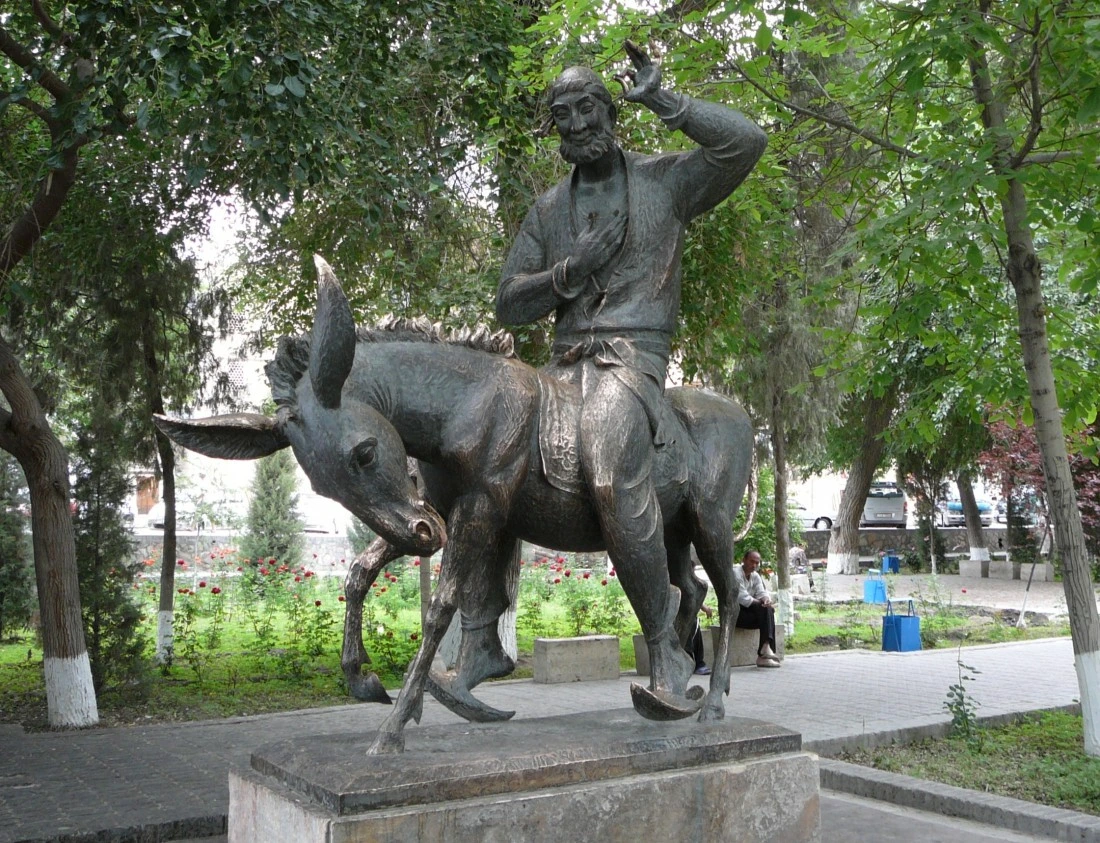
Another iconic figure is Nasreddin Hodja—the witty sage who uses humour to challenge power and teach morals. His tales, beloved in historic cities like Bukhara and Khiva, remain part of everyday speech.
This oral legacy connects directly to places travellers visit today: squares where stories were told, courtyards where poets gathered, and madrasas where students copied manuscripts by hand.
In cities such as Samarkand and Bukhara, literature intertwined with Islamic intellectual life—philosophy, law, mystical poetry and astronomy. The written word was political, religious and social power.
Thanks to cultural tourism in Uzbekistan, you can see ancient manuscripts, historical chronicles and Sufi poetry preserved through invasions, shifting empires and censorship.
These places aren’t just “old stones”: they are the living cradle of a literary tradition shaping Uzbek identity—from epic heroes to the trickster wisdom of Nasreddin.
✒️ Key figures of Uzbek literature
Literary tourism in Uzbekistan also follows the footsteps of those who wrote the region’s intellectual history:
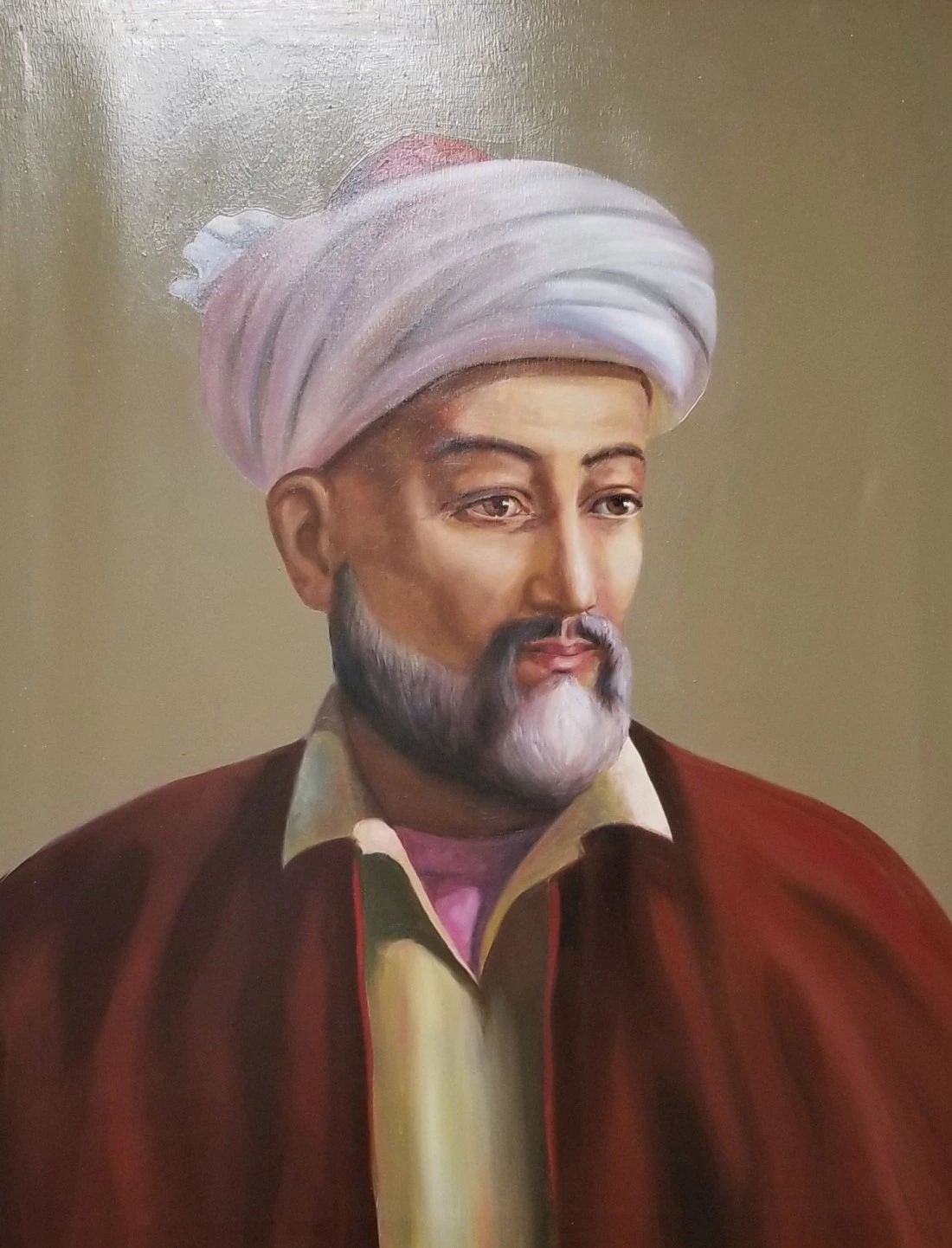
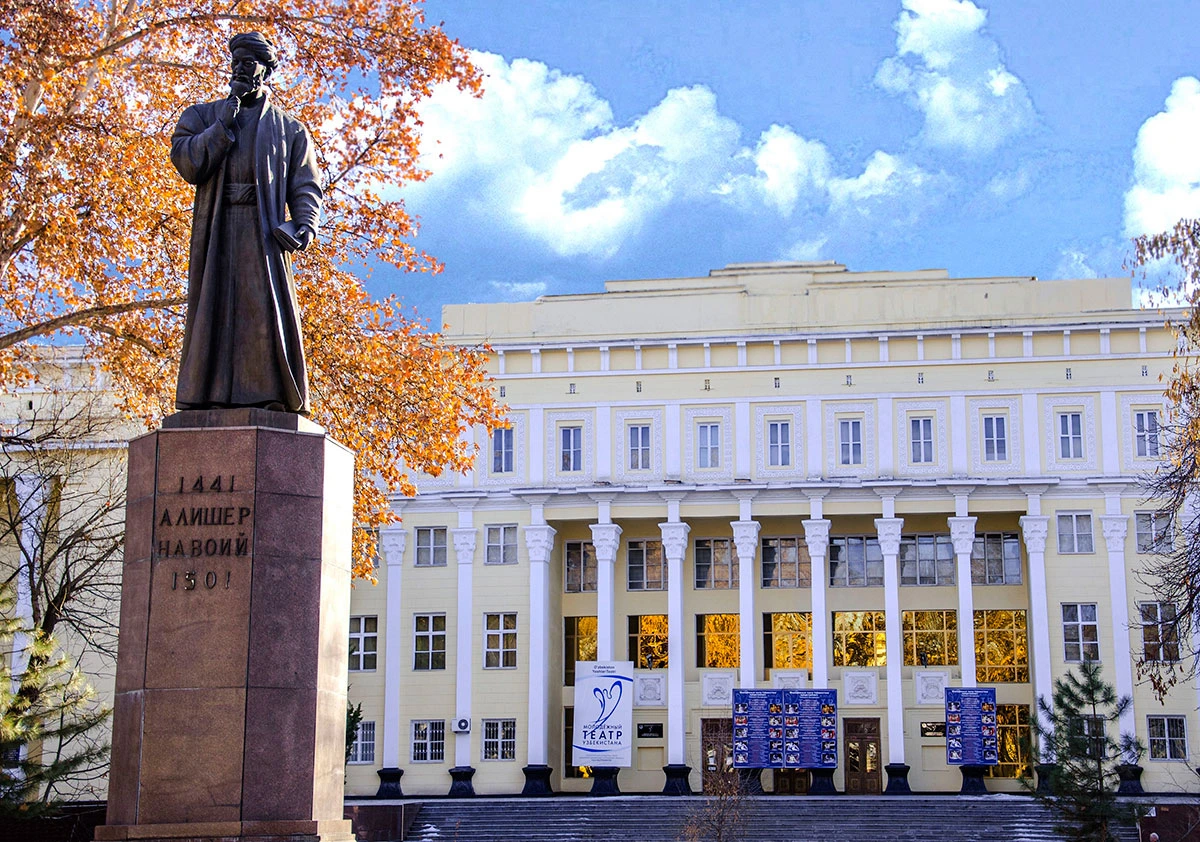
- Alisher Navoi – Father of the Chagatai literary language (a direct ancestor of modern Uzbek). Poet, statesman and patron who championed writing in the native tongue over Persian and Arabic. His name marks plazas, universities and museums in Tashkent, Samarkand and Bukhara.
- Zahiriddin Babur – Poet and founder of the Mughal Empire; author of the intimate and celebrated Baburnama, blending politics, war, gardens and family—linking Uzbekistan with India and Central Asia.
- Nadira & Uvaisi – Brilliant court poets (18th–19th c.). Their verses reflect love, loyalty and female intellectual dignity in male-dominated circles—essential to include in cultural tourism in Uzbekistan.
- Hamid Ismailov – Contemporary novelist translated worldwide; writes about memory, exile and post-Soviet identity, bridging classic tradition and present realities.
Following Navoi, Babur or Ismailov turns a trip into an exploration of ideas—not just monuments.
📚 Recommended literary routes
Literary routes in Uzbekistan combine museums, archives and spaces where literature was actually written, copied or taught—perfect for cultural travellers, universities and anyone seeking more than the classic Silk Road circuit.
- State Museum of Literature in Tashkent: manuscripts, authors’ portraits, first editions and the evolution of the Uzbek language—a cornerstone of literary tourism in Uzbekistan.
- Alisher Navoi’s intellectual heritage: while part connects to Herat (today Afghanistan), in Samarkand and Bukhara you’ll find madrasas and cultural spaces tied to the milieu where his poetry was studied and recited.
- Historical archives in Bukhara and Samarkand: hubs of religious texts, Sufi philosophy, astronomy and court poetry—literature as spiritual and political power.
- Libraries with Timurid manuscripts: Samarkand became a centre of science and letters under Amir Temur and his heirs—linking cultural tourism in Uzbekistan with the wider Islamic intellectual world.
Here you’ll see illuminated codices, Persian and Chagatai calligraphy, Sufi poetry, court chronicles and documents that rarely leave Central Asia—travelling by reading, and reading by travelling.
📖 Books to understand Uzbekistan
Arrive with context—these titles open doors to culture, history and people:
- Baburnama — Zahiriddin Babur: intimate memoirs linking Samarkand and Bukhara to early-modern power.
- The Silk Road — Luce Boulnois: why Uzbekistan anchored Eurasian exchange and how Khiva and Samarkand became global nodes.
- A Carpet Ride to Khiva — Christopher Alexander: modern life in Khiva through crafts and community.
- Taxi to Tashkent — Tom Fleming: a lively, humorous look at Tashkent and beyond.
- Embassy to Tamerlane — Ruy González de Clavijo: a first-hand 15th-century account of the Timurid court in Samarkand.
🎬 Films to feel the culture
Uzbek cinema opens a window onto family, identity, Soviet memory, Islamic tradition and post-independence change:
- The Savage — Kamara Kamalova: social drama on generational and moral tensions.
- Abdullajon — Zulfikar Musakov: beloved fantastical comedy and social satire.
- Who Are You? — Djahongir Faiziev: identity and belonging across city and tradition.
- Muzaffar Erkinov (historical epics): reconstructs courts, conflicts and legends—imagining how people lived beyond the ruins you visit today.
Watch a few before you go—arrive recognising gestures, humour and body language; feel less tourist, more guest.
💡 Conclusion
Uzbekistan isn’t only blue domes and historic madrasas—it’s a voice. Written, told, recited and filmed.
Literary tourism in Uzbekistan brings you to epic heroes like Alpamysh, court poets like Alisher Navoi, writer-kings like Babur, and filmmakers who capture modern life.
Every manuscript in Samarkand, every archive in Bukhara, every museum hall in Tashkent is a page of an ongoing story.
Uzbekistan can’t be read in a day.
But every word brings you closer to understanding it.