
Ecotourism in Uzbekistan
Uzbekistan is an unexpected hub for ecotourism in Central Asia: protected reserves, mountain villages with living traditions, and desert nomad life. From the Kyzylkum Desert between Bukhara and Khiva, to green valleys near Tashkent, it invites responsible, sustainable travel: sleeping in yurts, hiking pristine landscapes, sharing tables with rural families, and discovering nature that mass tourism hasn’t touched yet.
🌿 National parks & nature reserves
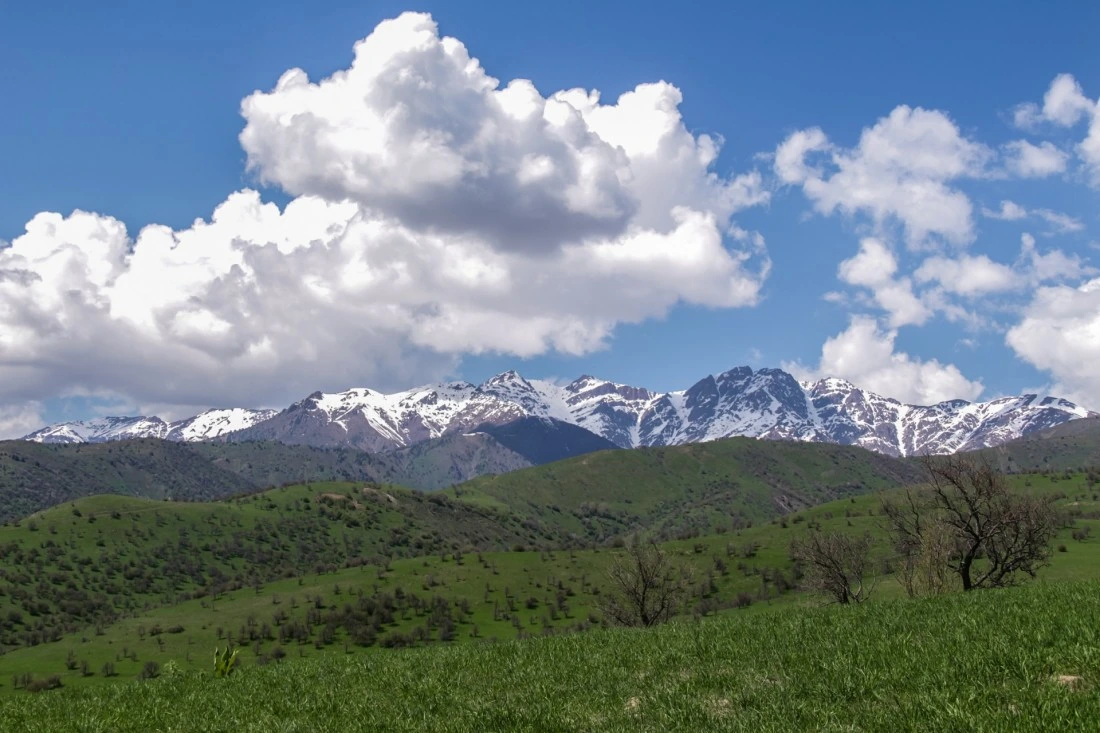
Beyond historic cities like Samarkand and Bukhara, Uzbekistan keeps intact landscapes perfect for ecotourism: mountains, canyons, steppes, saline lakes and fossil traces spanning millions of years.
A flagship area is the Ugam–Chatkal National Park east of Tashkent. Hike Chimgan, walk rocky gorges, see meltwater rivers and—seasonally—enjoy mountain activities around Beldersay.
Lake Aidarkul, between desert and the Nurata mountains, is ideal for quiet ecotourism in Uzbekistan: deep silence, water birds and star-packed nights. Many travellers combine it with yurt camps in the Kyzylkum Desert, between Bukhara and Khiva.
The Nurata mountain zone is popular for responsible rural trips: valley walks and spotting local species in the wild.
Another key stop for sustainable tourism is the Lower Amu Darya State Reserve in the northwest near Nukus, protecting desert fauna and unique riparian forests.
Don’t miss the Jeyran Ecocenter near Bukhara, focused on protecting the Asian gazelle and other endangered species.
In the Kitab Geological Reserve (south), rock formations and fossil strata explain Earth’s evolution—a must for geology and educational tourism.
Typical routes within ecotourism in Uzbekistan:
🌾 Agritourism: rural life & local production
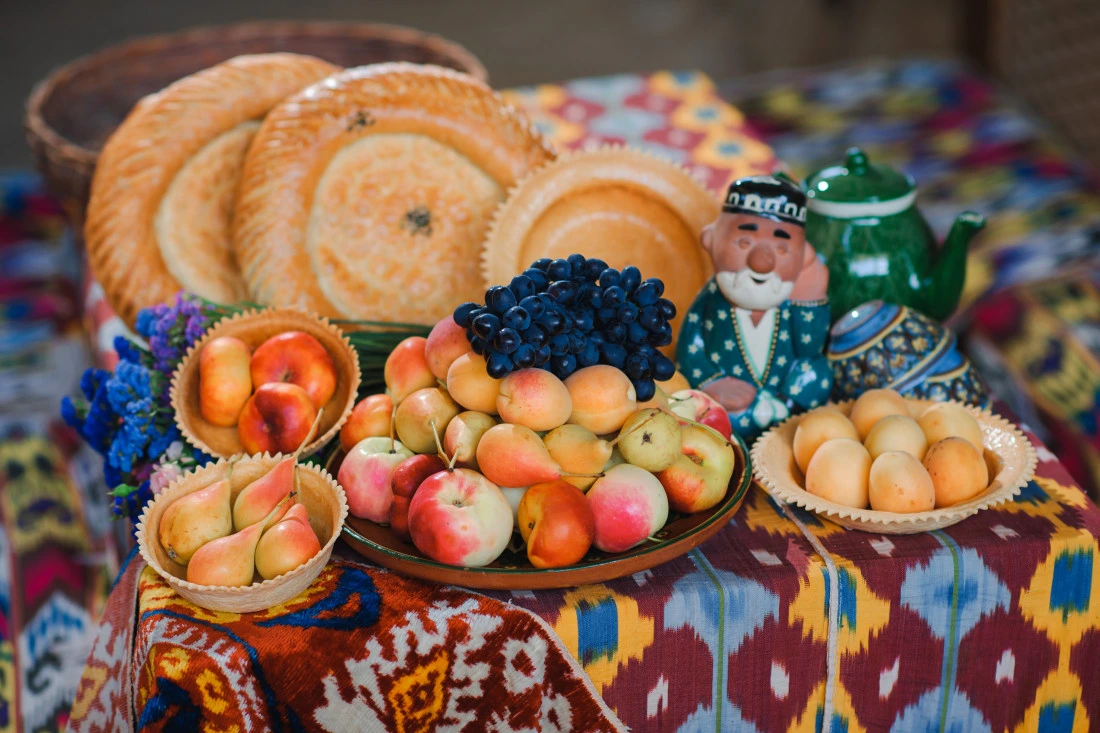
Agritourism in Uzbekistan is among the country’s most authentic experiences: family farms, local tastings, craft workshops and real immersion in rural communities—responsible tourism that keeps income outside big cities.
Around Samarkand and Navoi, families showcase traditional crops—seasonal fruit, pomegranates, fragrant melons, wine grapes, medicinal herbs and mountain honey.
A favourite for sustainable tourism in Uzbekistan is the Konigil craft centre near Samarkand: traditional paper-making with water-powered mills, textiles, ceramics and natural dyes.
Small family wineries offer Uzbek wine tastings—climate and soils shaping the valley’s production.
Animal lovers can find farms with native horses, traditional pond fishing—even ostrich farms near Tashkent and across Khorezm (around Khiva).
Typical agritourism ideas:
- Local farms: fruit harvests, jam-making, tandoor bread, traditional home cooking.
- Konigil: heritage crafts & paper-making near Samarkand.
- Wine & mountain honey: small wineries and rural beekeepers.
- Rural festivals & fairs: dance, live music, horses and camels as living heritage.

🏡 Rural tourism: authentic villages & living traditions
Sleep in an adobe home, share the dastarkhan (traditional table), wake to silent mountains: that’s rural tourism in Uzbekistan.
In Nurata mountain villages like Hayat, Ukhum, Ashraf or Kumushkan, families host travellers at home—one of the sincerest forms of sustainable tourism with income going straight to locals.
Many villages keep centuries-old traditions: tandoor bread, slow clay-oven cooking, weaving, pottery and hand embroidery—hands-on, not a staged show.
The setting is ideal for gentle activities: guided walks, birdwatching, medicinal-plant spotting, even searching for ancient petroglyphs.
Typical activities:
- Guesthouse stays in mountain villages.
- Craft workshops: ceramics, weaving, traditional embroidery and tandoor bread.
- Easy hikes among orchards, springs and viewpoints.
- Traditional dinners with homemade plov and tea in courtyard starlight.
🌍 Sustainable adventures & ecological impact
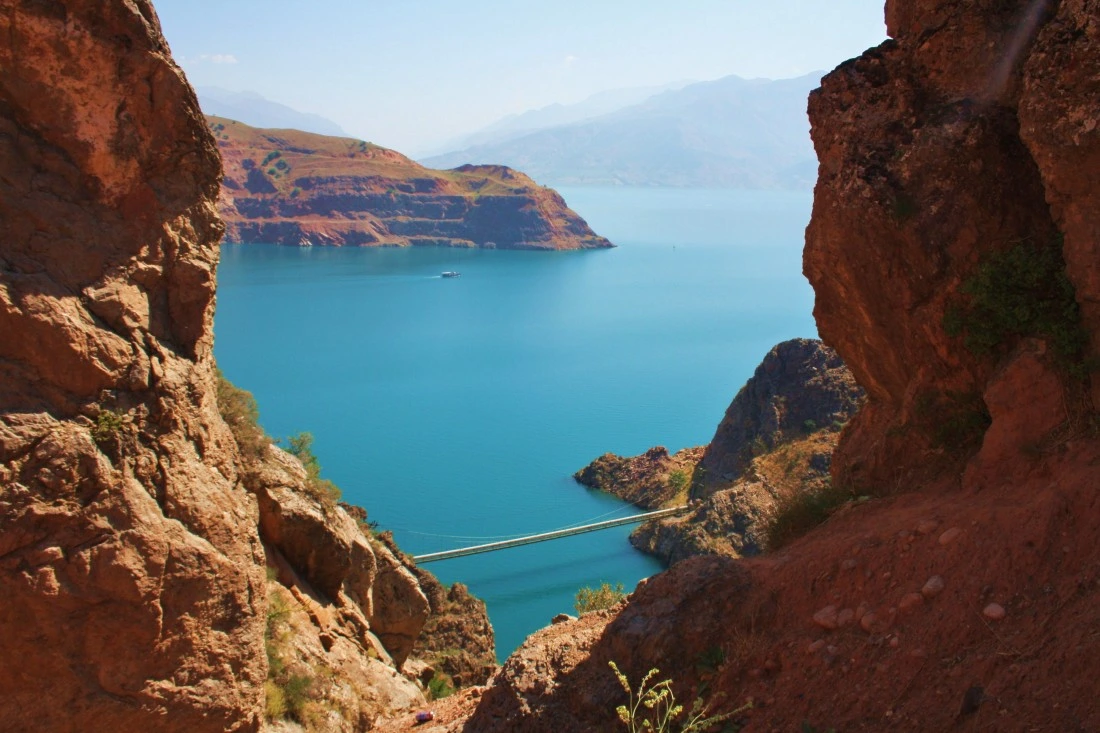
Ecotourism in Uzbekistan also brings adventure: mountain trekking, cycling remote valleys, 4×4 over ancient sea beds—and nights in yurt camps under pristine skies.
A powerful experience is the Aral Sea region near Nukus—witnessing one of the 20th century’s greatest environmental crises. It’s tough but deeply educational: travel that provokes reflection on sustainability.
Around Tashkent many travellers choose high-country hiking, MTB and climbing—an active way to know the country beyond Islamic architecture circuits.
Nights in a traditional yurt in the Kyzylkum are almost mandatory for a genuine, sustainable trip: firelit dinners, traditional music and night skies like few places on Earth.
Typical adventure options:
- Trekking & cycling in the mountains near Tashkent.
- Responsible routes to the Aral Sea to understand ecological and human impact.
- Yurt nights under clean skies in the Kyzylkum Desert.
- Local guided excursions in protected areas to learn fauna, flora and nomad culture.
💡 Conclusion
Ecotourism in Uzbekistan isn’t just “going to nature”—it’s living with it: adobe homes in Nurata, tandoor bread, yurt nights in the Kyzylkum, and local stories under silent stars.
Blending rural tourism, agritourism, protected reserves and the Aral Sea turns your trip into something bigger: a meeting with the country’s ecological, cultural and human reality.
That’s why travellers seeking authentic trips to Uzbekistan choose this green route: less mass tourism, more truth.
🌿 Natural Uzbekistan awaits: silent, vast and full of life.