Ethnic tourism in Uzbekistan
Ethnic tourism in Uzbekistan is a direct immersion in real life: mountain villages, yurt camps in the desert, homemade cuisine and living traditions. From the eco-villages of Sentob to the historic plains of Khorezm, each region reflects its own identity within Central Asia. This type of trip is ideal for travellers seeking authentic experiences, human connection and living culture beyond classic tourist circuits.
🏘️ Traditional villages with soul
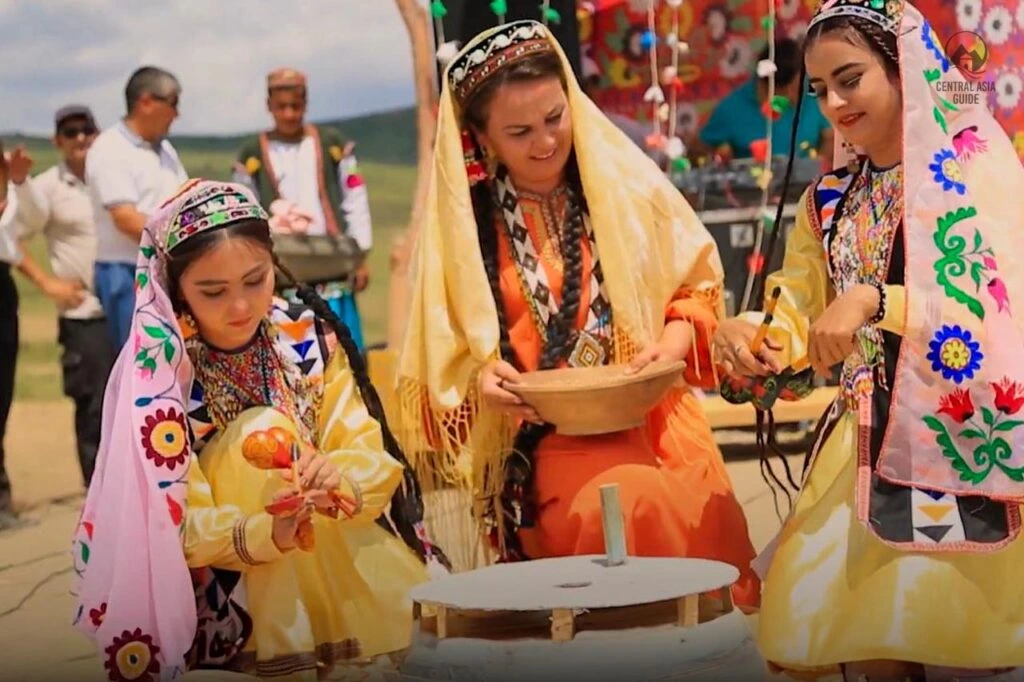
Visiting historic villages such as Sentob, Hayat or Kumushkan means entering the authentic rural life of Uzbekistan. Here, adobe houses, clay ovens and vine-covered courtyards aren’t tourist decor: they’re daily life.
In these villages, families still bake bread in tandoor ovens, make natural preserves, and keep embroidery, pottery and weaving techniques passed down through generations. The visitor isn’t just a spectator— you’re a guest.
This approach turns the trip into a human and cultural experience. Instead of a large city hotel, you sleep in family guesthouses, share meals with your hosts and hear stories about mountain life, transhumance, harsh winters and local festivities.
Many travellers planning trips to Uzbekistan seek this direct contact because it lets them feel the country “from within,” far from well-known routes like Samarkand or Bukhara.
This kind of ethnic tourism in Uzbekistan is perfect for those who value traditional hospitality, simple living and a connection with the natural landscape.
⛺ Nomadic yurt camps
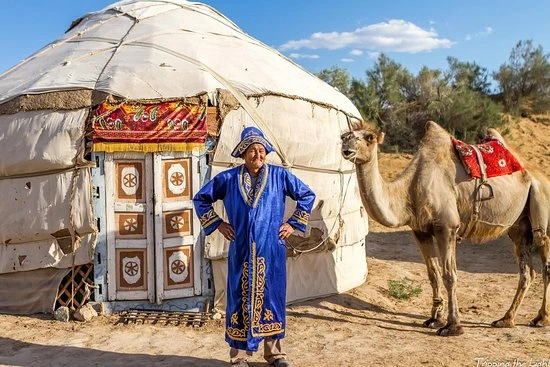
Sleeping in a traditional yurt in the middle of the Kyzylkum Desert is one of the most unforgettable experiences of cultural tourism in Uzbekistan. Yurts are decorated with felt carpets, embroidered hangings and nomadic objects that still form part of everyday life on the Central Asian steppe.
At sunset, there’s often traditional music, folk dances and a hot dinner cooked over open fire: homemade plov, lamb soups, freshly baked bread and tea scented with local herbs.
By day, many travellers enjoy camel rides over dunes, walks through semi-desert landscapes and spotting local wildlife. At night, the desert sky—free from light pollution—is a spectacle of stars.
This nomadic immersion connects with the region’s oldest identity: livestock-herding tribes, caravan routes, cultural exchanges along the Silk Road and ways of life adapted to an extreme environment.
For many visitors on organised trips to Uzbekistan, a night in a yurt becomes “the most memorable moment” of the journey.
🚜 Agritourism and country life
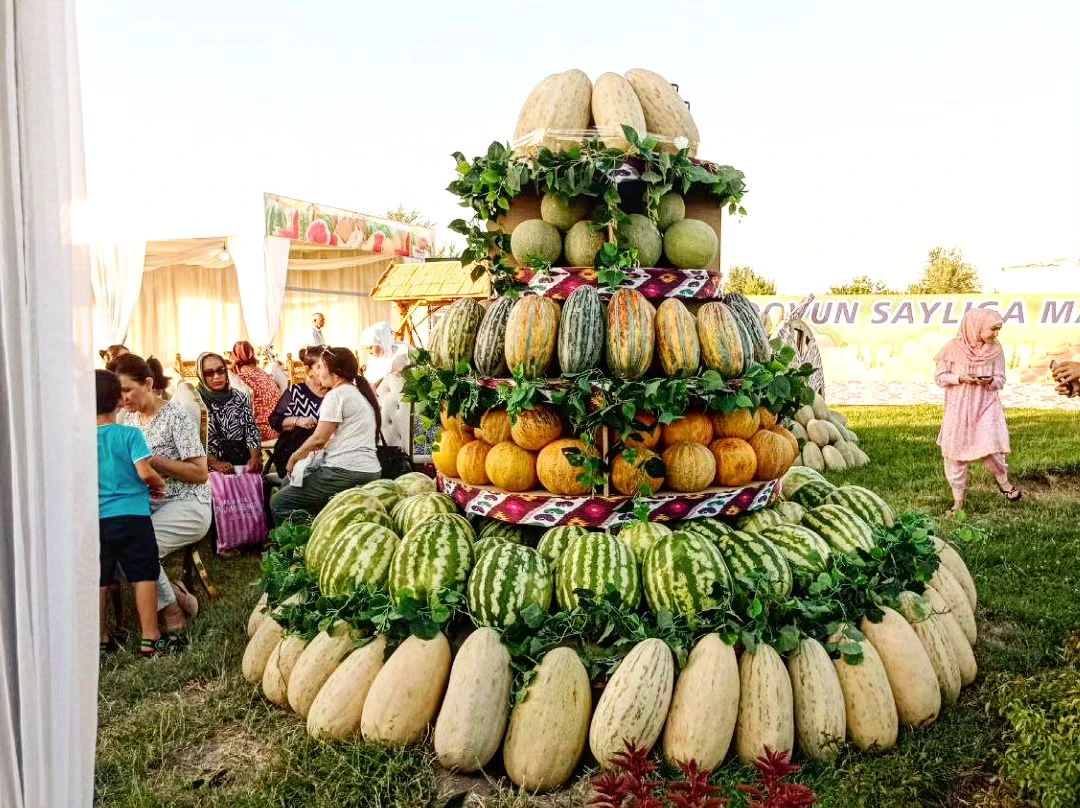
Agritourism in Uzbekistan is growing fast because it offers something highly sought after: authenticity and calm. In fertile regions such as the Fergana Valley, Samarkand and Bukhara, families open their orchards and farms to visitors.
Here you can join the harvest, pick pomegranates, apricots or grapes; learn to bake bread in a tandoor; taste homemade jams and artisan cheeses; or ride horses among orchards and traditional irrigation canals.
Many rural workshops show how traditional paper is made from mulberry in historic villages like Konigil (near Samarkand), or how textiles and ceramics are crafted using inherited techniques.
This form of rural tourism is perfect for families, students and travellers seeking active rest: nature + culture + real food. It also directly supports local communities, not just big hotels.
For those seeking authentic experiences in Uzbekistan, this part of the trip is often the most human and most memorable.
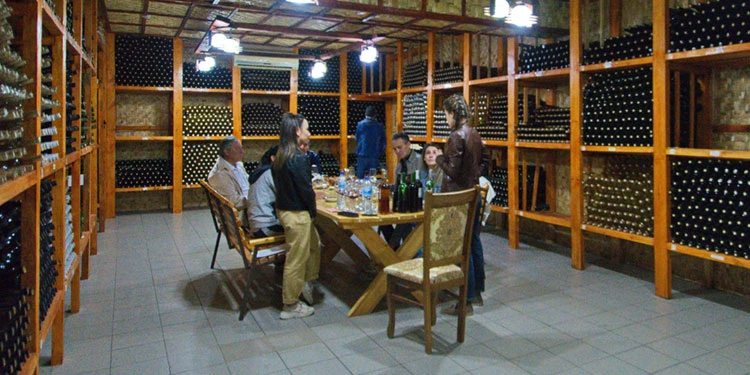
🍷 Artisan winemaking and local tradition
Few people know that Uzbekistan has a very old winemaking tradition. Regions such as Samarkand, Bukhara and Khorezm offer family wineries and small producers where grapes are still hand-picked and fermented using traditional methods.
These visits aren’t only tastings: many include vineyard walks, explanations of local grape varieties, production of historic sweet wines and sampling of artisan liqueurs.
For travellers who enjoy food & wine tourism and want to understand how cuisine, agriculture and local heritage intertwine, these wineries are a must.
They’re also a delightful way to end a day touring between Samarkand, Bukhara and the Kyzylkum Desert: history, landscape and a glass of local wine at sunset.
💠 Conclusion
Ethnic tourism in Uzbekistan isn’t a superficial visit. It’s sitting at a rural family’s table, sleeping in a yurt under the desert sky, walking through villages that still live as they did generations ago and, above all, being welcomed as a guest, not a client.
It’s the most human, intimate and sincere way to know the country.
🌿 Uzbekistan isn’t only ancient history.
Uzbekistan is living people who open their homes to you.